Fire Ready in the Beehive State: A County-by-County Wildfire Survival Plan for Utah Homeowners
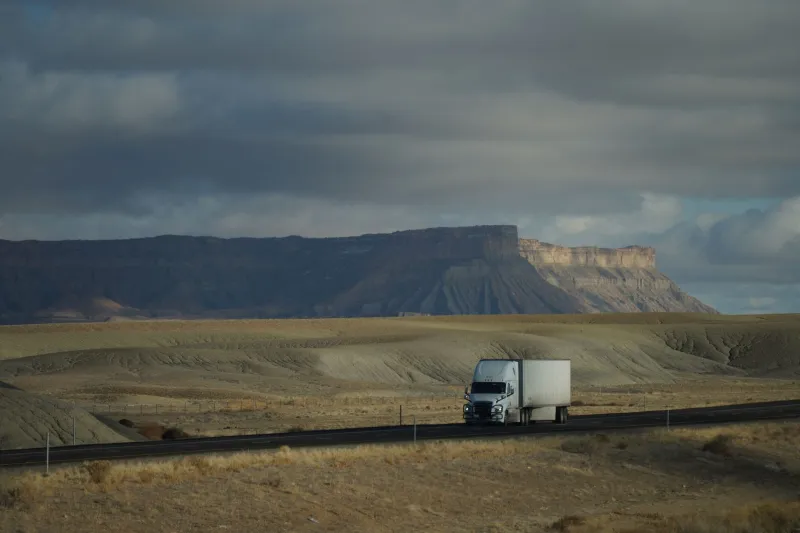
Every summer, smoke rises somewhere across Utah's varied landscape — from the juniper-dotted foothills of the Wasatch Front to the dry sage flats of the Colorado Plateau. Wildfire is not a distant threat in this state; it is a seasonal reality that touches communities from St. George to Logan. Yet many Utah residents remain underprepared, treating wildfire readiness as something to address after the first red-flag warning appears on their phones. By then, the window for meaningful preparation has already closed.
This guide is designed to change that. Whether you live in a Wildland-Urban Interface (WUI) neighborhood in Utah County, a rural homestead in Garfield County, or a suburban community on the edge of the Oquirrh Mountains, the following information gives you a structured framework to protect your property, your family, and your neighbors.
Understanding Utah's Wildfire Risk Landscape
Utah is one of the most fire-prone states in the American West, and its geography explains why. The state's combination of prolonged drought cycles, low annual humidity, consistent summer wind patterns, and expansive wildland vegetation creates near-ideal conditions for rapid fire spread. According to the Utah Division of Forestry, Fire and State Lands, the state experiences hundreds of wildfires annually, with tens of thousands of acres burned in active seasons.
Some of the highest-risk counties include:
- Washington County – Warm temperatures year-round and dry desert scrub make this region a perennial fire concern, particularly around the St. George metro area.
- Utah County – Dense WUI communities along the Wasatch foothills, including areas near Provo, Springville, and Alpine, face significant risk.
- Summit and Wasatch Counties – High-altitude forests with significant recreational traffic and aging infrastructure increase both ignition risk and evacuation complexity.
- Millard and Beaver Counties – Vast, sparsely populated terrain with limited road networks creates unique evacuation challenges.
Fire season in Utah typically begins in late May and can extend through October, though drought conditions have pushed active burning into November in recent years.
Creating Defensible Space: The 0-100 Foot Rule
Defensible space refers to the buffer zone you create between your home and the surrounding vegetation. It does not guarantee your home will survive a wildfire, but it significantly improves the odds — and gives firefighters a safer position from which to defend your property.
Utah's State Forester recommends organizing your defensible space into three distinct zones:
Zone 1 (0–30 feet from your home): This is your highest-priority area. Remove dead plants, dry leaves, and wood debris. Keep grass mowed to a height of four inches or less. Space shrubs and trees so that branches do not touch one another. Store firewood at least 30 feet from any structure. Clear gutters of pine needles and leaf litter regularly throughout the season.
Zone 2 (30–100 feet from your home): Reduce the density of vegetation significantly. Cut grass to a maximum of four inches. Prune tree branches to a height of at least six to ten feet from the ground. Remove dead trees and shrubs. Create spacing between tree crowns of at least ten feet.
Zone 3 (100+ feet, if your property extends this far): While formal defensible space guidelines end at 100 feet, any additional clearing you can perform on your own land reduces the rate at which fire can approach your home.
Homeowners in steep terrain should note that fire travels faster uphill. If your property sits on a slope, extend your Zone 1 and Zone 2 distances by 20–30 feet on the downhill side.
Know Your Evacuation Zone Before the Smoke Arrives
Utah's counties use a tiered evacuation zone system, though the specific language varies by jurisdiction. Most counties have adopted a three-level framework:
- Ready – A wildfire threat exists in your area. Review your evacuation plan, pack your emergency kit, and stay alert to updates.
- Set – The threat is imminent. Be prepared to leave immediately. Load your vehicle and move pets and livestock to safety.
- Go – Evacuate immediately. Do not wait for official word if you feel unsafe.
Evacuation zone maps are maintained by individual county emergency management offices and are updated regularly. Residents are strongly encouraged to locate their zone designation before an emergency occurs:
- Salt Lake County: slco.org/emergency-management
- Utah County: utahcounty.gov/dept/EmergMgmt
- Washington County: wcemergency.com
- Davis County: daviscountyutah.gov/emergency-management
- Summit County: summitcounty.org/emergency-management
Sign up for your county's emergency alert system — most Utah counties use the Everbridge or Rave Alert platforms — so that evacuation orders reach you directly via text and phone.
Assembling a Utah-Specific Grab-and-Go Kit
A standard emergency kit is a good starting point, but Utah's geography demands a few additional considerations. If you are evacuating from a rural area in Kane or San Juan County, you may be driving an hour or more before reaching a shelter or service station. If you are leaving during a summer heat event, temperatures in southern Utah can exceed 105°F, making hydration supplies critical.
Your grab-and-go kit should include:
Core Essentials:
- Water: one gallon per person per day, minimum three-day supply
- Non-perishable food for at least 72 hours
- Manual can opener
- First aid kit with prescription medications and a two-week supply of any critical drugs
- Copies of essential documents: ID, insurance policies, property records, medical records
- Cash in small bills (ATMs may be unavailable)
- Portable phone chargers and backup battery packs
- N95 or KN95 masks (wildfire smoke is a serious respiratory hazard)
Utah-Specific Additions:
- High-SPF sunscreen (Utah's elevation intensifies UV exposure)
- Electrolyte packets or sports drinks to counter heat and dehydration
- Paper maps of your county and neighboring counties (cell service may fail in rural terrain)
- A hand-crank or battery-powered NOAA weather radio
- Dust/smoke goggles if you have livestock or animals requiring outdoor care
- Emergency contact list with out-of-state relatives (local lines may be overwhelmed)
Store your kit in a bag or container that can be loaded into your vehicle in under two minutes. Practice loading it.
Lessons from Recent Utah Wildfires
The 2022 Halfway Hollow Fire in Millard County burned more than 36,000 acres and forced evacuations across a sparsely populated region where many residents had limited warning time. After-action reports noted that many residents did not know their evacuation route alternatives when primary roads became inaccessible.
The 2021 Parleys Canyon Fire near Salt Lake City ignited along a major interstate corridor, disrupting traffic and complicating evacuations for thousands of Wasatch Back residents. The speed of that fire's spread — driven by high winds and dry fuel — underscored that even communities near major urban centers can face rapid, chaotic evacuation scenarios.
These events share a common thread: preparedness gaps that were identified too late. The residents who fared best had established evacuation plans, knew their routes, and had their kits ready.
A Timeline for Seasonal Preparation
- March–April: Conduct your defensible space assessment. Hire a certified arborist if needed. Register for county emergency alerts.
- May: Finalize and restock your grab-and-go kit. Review evacuation routes with all household members, including teenagers.
- June–August: Monitor the Utah Division of Forestry's fire map weekly. Avoid outdoor burning on red-flag warning days. Keep your vehicle's gas tank at least half full throughout the season.
- September–October: Reassess your defensible space after summer growth. Do not assume fire season is over until your county declares it closed.
Final Guidance
Wildfire preparedness is not a one-time task — it is an ongoing commitment that requires updating as your family's circumstances and your community's risk profile change. Emergency Info Utah encourages all residents to connect with their local fire district, county emergency management office, and neighbors to build a community-wide culture of readiness. Visit ReadyUtah.gov for additional state-specific resources, and do not wait for smoke on the horizon to begin your preparations.