Danger Behind the Door: How Attached Garages Become Carbon Monoxide Traps in Utah Homes
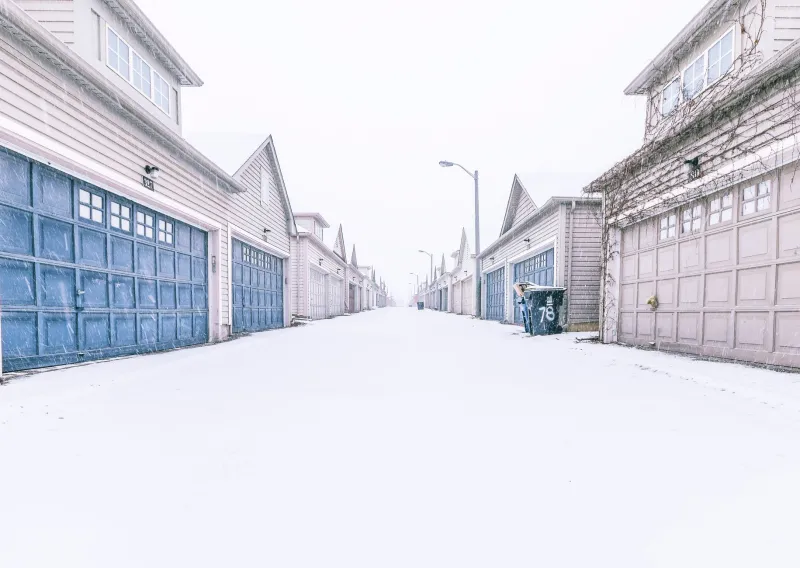
Every winter, Utah families seal up their homes against the cold, park their vehicles in attached garages, and settle in for the season — often unaware that a colorless, odorless gas may be slowly infiltrating their living spaces. Carbon monoxide (CO) poisoning is among the most insidious household emergencies precisely because it offers no sensory warning. You cannot smell it, see it, or taste it. By the time symptoms appear, a family may already be in serious danger.
While a previously published resource on this site addressed general CO risks from household appliances, this article focuses specifically on the threat pattern unique to Utah's multi-vehicle homes with attached garages — a housing configuration that has become increasingly common across the Wasatch Front, St. George, and rural communities statewide.
Why Utah's Housing Stock Creates Elevated Risk
Utah consistently ranks among the fastest-growing states in the nation, and much of that growth has translated into large suburban homes featuring two- and three-car attached garages. These structures are not inherently dangerous, but their design — sharing walls, ceilings, and ductwork with the main living area — creates a direct pathway for exhaust gases to migrate indoors.
Several factors specific to Utah amplify this risk:
Extreme temperature swings. Utah winters are harsh, particularly at higher elevations and in northern valleys. Homeowners frequently warm up vehicles inside closed garages before driving, a habit that can generate dangerous CO concentrations within minutes.
Inversion events. The Salt Lake Valley and other Utah basins are prone to atmospheric inversions — weather phenomena that trap air close to the ground. During inversion periods, outdoor air pressure changes can affect how gases move through structures, potentially drawing exhaust fumes inward rather than allowing them to dissipate.
Energy-efficient construction. Modern Utah homes are built to be tightly sealed, which is excellent for heating efficiency but problematic for ventilation. A garage that might have "breathed" enough to disperse CO in an older structure may now trap it effectively.
Multiple combustion sources. Many Utah garages house not just vehicles but also gas-powered lawn equipment, backup generators, propane heaters, and water heaters. Each represents an additional CO source that compounds the overall risk.
How CO Moves from Garage to Living Space
Understanding the mechanics of CO migration helps explain why the threat is so difficult to anticipate. Carbon monoxide does not simply seep under a door — it travels through every available gap in a structure.
Common migration pathways include:
- Shared wall penetrations: Electrical outlets, plumbing lines, and cable conduits that pass through the wall between a garage and the home create small but significant openings.
- HVAC return air intakes: If a furnace or air handler draws return air from a space connected to the garage, it can distribute CO throughout the entire home within minutes.
- Door gaps: The door between an attached garage and the home's interior is often poorly sealed, particularly in older constructions where weatherstripping has degraded.
- Attic connections: Garages with attic spaces that connect to the main home's attic allow CO to travel laterally and then descend through ceiling gaps.
The result is that a car left idling in an attached garage for as few as two minutes can generate enough CO to endanger the adjacent living space, particularly in bedrooms located directly above or beside the garage.
Recognizing the Warning Signs Families Often Miss
Because CO poisoning mimics several common illnesses, many Utah families mistake early symptoms for winter colds, flu, or simple fatigue. The following patterns should prompt immediate action:
- Symptoms that improve when you leave the home: If headaches, dizziness, or nausea subside after spending time outdoors and return when you re-enter, CO exposure is a serious possibility.
- Multiple family members affected simultaneously: When several people in the same household develop similar symptoms at the same time, a shared environmental cause — rather than a contagious illness — should be suspected.
- Pets behaving unusually: Animals, particularly birds and small mammals, are more sensitive to CO than humans. Lethargy or unusual distress in household pets can serve as an early warning.
- Symptoms occurring primarily in ground-floor or basement rooms: These spaces are often closer to garage-level air pathways and may accumulate CO before upper floors are affected.
If any combination of these signs is present, evacuate the home immediately, move to fresh outdoor air, and call 911. Do not re-enter until emergency responders have confirmed the structure is safe.
Detection: What Utah Homeowners Need to Know
The most reliable defense against CO poisoning is a functioning carbon monoxide detector. However, placement and maintenance matter enormously.
Placement guidelines for multi-car garage homes:
- Install a detector on every level of the home, including the basement.
- Place a detector in the hallway or room immediately adjacent to the attached garage.
- Ensure detectors are installed near sleeping areas, as nighttime exposure is particularly dangerous because symptoms may not wake a deeply sleeping person.
- Do not install detectors directly in the garage itself — most residential units are not designed for garage environments and may malfunction due to temperature extremes.
Detector maintenance:
- Test detectors monthly using the built-in test button.
- Replace batteries annually, or whenever the low-battery alert sounds.
- Replace the entire unit every five to seven years, or according to the manufacturer's specifications. CO detectors have a finite sensor lifespan that is not always obvious from external inspection.
- Consider combination smoke and CO detectors with digital displays that show current CO concentration levels, allowing residents to monitor ambient readings even when no alarm has triggered.
Utah's Division of Emergency Management recommends that residents follow National Fire Protection Association (NFPA) Standard 720 guidelines when installing CO detection systems.
A Room-by-Room Safety Audit for Utah Homes
The following checklist is designed specifically for Utah homes with attached garages. Work through each area systematically, ideally before winter weather arrives.
Garage:
- Never run a vehicle engine inside the garage with the door closed, even briefly.
- Inspect the door seal between the garage and the home's interior; replace degraded weatherstripping.
- Ensure all gas-powered equipment (lawn mowers, generators, snow blowers) is stored with empty fuel tanks or kept in a detached structure.
- Confirm the garage has adequate ventilation — at minimum, operable windows or vents.
Adjacent rooms and hallways:
- Verify CO detector placement within 10 feet of the garage entry door.
- Inspect shared walls for unsealed penetrations; use fire-rated caulk to close gaps.
- Check that the door between the garage and home is a solid-core, fire-rated door — not a hollow-core interior door.
Bedrooms:
- Confirm a CO detector is installed in or immediately outside each sleeping area.
- If a bedroom shares a wall or floor with the garage, inspect for any gaps or openings.
Mechanical room and utility spaces:
- Schedule annual inspections for gas furnaces, water heaters, and boilers with a licensed Utah HVAC technician.
- Verify that furnace flue pipes are properly connected and free of corrosion or separation.
- Confirm that no HVAC return air intakes are located inside the garage.
Basement:
- Install a CO detector at basement level if the space is habitable or frequently occupied.
- Inspect any connections between the basement and the garage foundation area.
What to Do When Your Detector Alarms
A CO alarm demands an immediate and deliberate response — not investigation, not delay.
- Evacuate everyone from the home, including pets. Do not pause to gather belongings.
- Leave the front door open as you exit to allow ventilation to begin.
- Call 911 from outside the home. Fire departments are equipped to measure CO levels and identify the source.
- Do not re-enter the structure until emergency personnel declare it safe.
- Seek medical evaluation even if no one feels seriously ill. CO binds to hemoglobin and its effects can be delayed or cumulative.
For individuals who have lost consciousness or are experiencing severe symptoms, emergency responders may recommend hyperbaric oxygen therapy, which is available at select Utah medical facilities.
Preparedness Is a Year-Round Commitment
Carbon monoxide risk does not disappear when temperatures rise. Summer brings generator use during power outages, portable propane equipment at outdoor gatherings, and gas-powered recreational vehicles stored in garages. Utah residents are encouraged to treat CO safety as an ongoing household responsibility rather than a seasonal concern.
Emergency Info Utah recommends reviewing your home's CO detection system and garage safety protocols at the start of each season. The few minutes required for this audit could be the most consequential investment your household makes this year.