When the Desert Roars: Surviving Flash Floods in Utah's Canyon Country
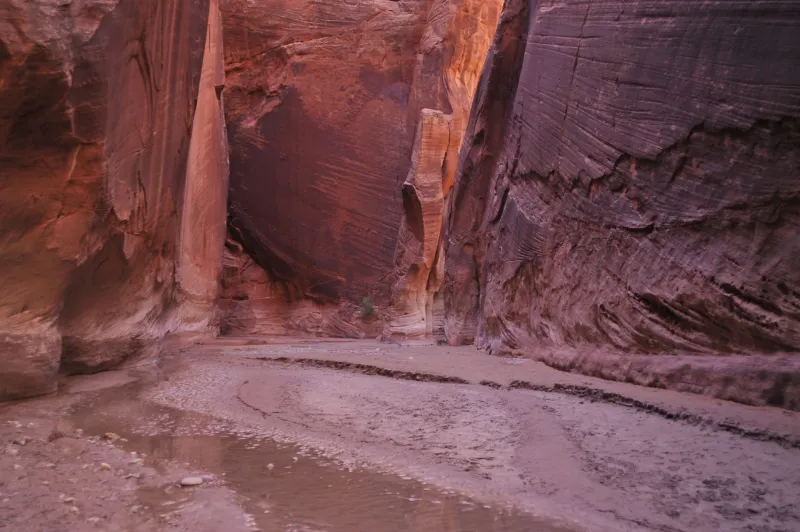
Utah's canyon landscapes rank among the most visually stunning environments in North America. The same geological forces that carved Zion Narrows, Antelope Canyon's tributaries, and the slot canyons of Escalante also created some of the continent's most dangerous flash flood corridors. Each year, visitors and residents alike are caught off guard by the terrifying speed at which these waterways fill. In Utah, flash flooding is not a rare weather anomaly — it is a seasonal reality with predictable patterns and, for those who prepare, survivable outcomes.
The Science Behind Utah's Flash Flood Problem
Flash floods in Utah are the product of a specific and unforgiving combination of geography, geology, and climate. The Colorado Plateau and surrounding desert basin regions are dominated by bare rock surfaces and hardpan soil that absorb almost no rainfall. When precipitation falls — even miles away from where you are standing — water has nowhere to go except across the surface and downhill, funneling rapidly into drainage channels, washes, and narrow canyons.
The state's slot canyons amplify this danger dramatically. Some of these passages are only a few feet wide but extend hundreds of feet in depth. A storm dropping just one inch of rain across a drainage basin measuring several square miles can send a wall of water surging through a canyon with virtually no warning at the canyon floor. Water levels in some Utah slot canyons have been documented rising more than 20 feet in under 10 minutes.
Monsoon season, which typically runs from mid-July through mid-September in Utah, is the most hazardous period. Warm, moisture-laden air from the Gulf of Mexico and Gulf of California pushes northward, producing intense but localized thunderstorms. These storms often occur far from the canyon entrance you are hiking — making clear skies above you a dangerously misleading indicator of safety.
High-Risk Zones Across Utah
Certain regions of Utah carry elevated flash flood risk and warrant heightened vigilance from anyone traveling through them:
- Zion National Park (Washington County): The Zion Narrows along the Virgin River is one of the most famous flash flood corridors in the American West. The park issues flood advisories and restricts access when upstream conditions deteriorate, but conditions can change between permit issuance and your entry into the canyon.
- Grand Staircase-Escalante National Monument (Kane and Garfield Counties): Remote slot canyons here, including Peek-a-Boo and Spooky Gulch, drain enormous catchment areas and are hours from emergency services.
- Canyonlands and Arches National Parks (San Juan and Grand Counties): Desert washes throughout these parks flood rapidly during summer thunderstorm activity.
- Capitol Reef National Park (Wayne County): The Fremont River and surrounding washes have a documented history of rapid flooding.
- Residential wash corridors in St. George, Moab, and Cedar City: Urban and suburban residents living adjacent to desert washes are not immune. Development near drainage channels in Washington and Grand Counties has placed homes and infrastructure in documented flood paths.
Recognizing Warning Signs Before the Water Arrives
One of the most critical skills a Utah outdoor traveler can develop is the ability to read environmental cues that precede a flash flood. By the time you hear or see rushing water, your escape window may already be closing.
Watch and listen for these indicators:
- Distant thunder or visible storm cells: Even if the sky above your canyon is clear, storms building over higher terrain miles away can send water your way within 30 to 60 minutes.
- A sudden change in water clarity or color: If a stream running through your canyon begins carrying sediment or turns muddy, upstream precipitation is almost certainly occurring.
- An unusual roaring or rumbling sound: This sound, sometimes described as a freight train approaching, is often the first audible warning of an oncoming flood surge.
- Debris floating in otherwise calm water: Sticks, leaves, and organic material appearing in a drainage channel indicates upstream disturbance.
- A distinct earthy or muddy smell: Floodwater carries sediment and organic material that produces a recognizable odor as it approaches.
Do not wait for visual confirmation of the flood itself. By that point, escape may be impossible.
Escape Protocols: What to Do When Danger Presents
If you identify warning signs or receive an official flood alert while in a canyon or wash, your response must be immediate and deliberate.
1. Move to High Ground Without Hesitation The singular priority in a flash flood scenario is vertical elevation. Identify the canyon walls or surrounding terrain and move upward as quickly as possible. Even gaining 20 to 30 feet of elevation above the canyon floor can place you above the flood surge in many Utah slot canyons. Do not wait to gather gear, consult maps, or debate the decision.
2. Do Not Attempt to Outrun Water Through a Narrow Canyon Running through a slot canyon toward an exit is among the most dangerous choices you can make. Floodwater travels faster than any person can run in confined terrain, and canyon floors often contain obstacles, pools, and choke points that make rapid movement impossible. Moving perpendicular to the water flow — toward the walls — is nearly always the correct response.
3. Stay Out of the Water Flash floodwater is not simply fast-moving water. It carries boulders, logs, vehicles, and debris that can cause fatal injuries on contact. Even six inches of fast-moving floodwater can knock an adult off their feet. Twelve inches is sufficient to carry away a small vehicle. Never attempt to wade, swim, or drive through active floodwater.
4. Wait for the All-Clear Once you have reached a safe elevation, remain there. Flash flood surges are often followed by secondary waves as additional drainage enters the system. Water levels may drop temporarily before rising again. Utah's National Weather Service office issues flash flood watches and warnings by county; monitoring these alerts via a battery-powered NOAA weather radio or a cell signal-capable device is strongly recommended.
Before You Enter: Preparation Protocols
Prevention and preparation reduce flash flood risk more effectively than any in-the-moment response.
- Check weather forecasts for the entire drainage basin, not just your destination. The National Weather Service Salt Lake City office (weather.gov/slc) provides regional forecasts and active flood warnings. Many Utah canyon permit systems now require acknowledgment of flood risk before entry.
- File a trip plan with a responsible contact. Provide your planned route, expected return time, and instructions for when to contact search and rescue. Utah County Sheriff and Washington County Search and Rescue both maintain active rescue capabilities, but remote canyon response times can exceed several hours.
- Carry a personal locator beacon (PLB) or satellite communicator. Cell coverage in most Utah canyon country is nonexistent. Devices such as the Garmin inReach or SPOT communicators allow distress signals to be sent from any location.
- Wear footwear with ankle support and grip. Canyon walls are often slick and irregular. The ability to climb quickly depends on stable footing.
- Avoid canyon entry during or after significant rainfall. Even if conditions appear to be improving, saturated soil and residual drainage can produce flood surges for hours after precipitation ends.
A Note for Residents Near Desert Washes
Utah homeowners and renters living adjacent to desert washes should contact their county emergency management office to determine whether their property lies within a mapped flood hazard area. Washington County, in particular, has invested significantly in flood monitoring infrastructure following the catastrophic 2005 Santa Clara River flooding that destroyed homes and infrastructure across St. George and Santa Clara. Residents in mapped flood zones should maintain flood insurance through the National Flood Insurance Program (NFIP) and develop a household evacuation plan that does not rely on crossing wash crossings during storm events.
The Desert's Most Dangerous Secret
Utah's canyon country rewards those who approach it with respect and preparation. Flash floods are not unpredictable in the way that many people assume — they follow patterns, they announce themselves, and they respond to conditions that can be monitored and anticipated. The deaths that occur in Utah's canyons each year are overwhelmingly preventable with awareness, planning, and a willingness to prioritize safety over the completion of a hike or a scenic photograph. Treat every canyon entry as a decision that carries consequence, and treat every warning sign as an instruction to act immediately.