When the Water Runs Wrong: Utah's Complete Emergency Guide to Contaminated Water Sources
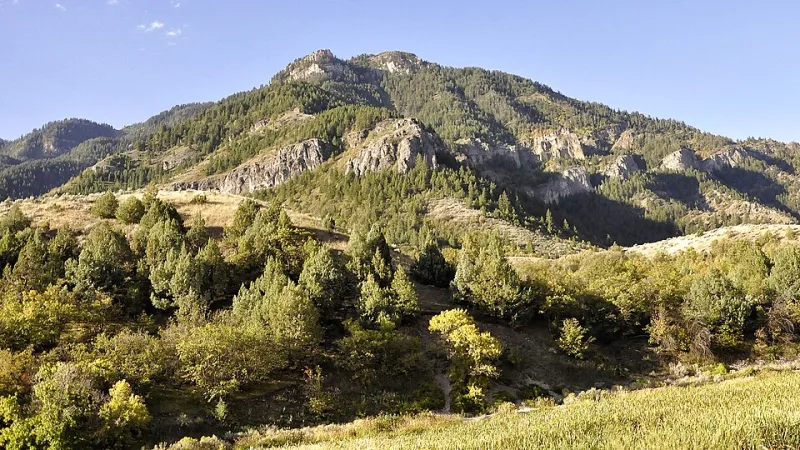
Photo: Paul Hermans, CC BY-SA 3.0, via Wikimedia Commons
Water is the first thing people reach for during a crisis — and in Utah, it may also be the first thing that can hurt them. The state's rich mining history, its complex geology, and its aging infrastructure create a layered set of water contamination risks that most generic emergency preparedness guides simply do not account for. Whether a flood sweeps through a canyon community, an earthquake ruptures a municipal main, or a chemical spill reaches a watershed, Utah residents need a plan that reflects where they actually live.
This guide is designed to help you recognize contamination risks specific to Utah, identify warning signs that your water source has been compromised, and take the right steps to protect your household before, during, and after an emergency.
Why Utah's Water Is Uniquely Vulnerable
Utah has more than 1,500 abandoned mine sites scattered across its landscape, many of which continue to leach heavy metals — including arsenic, lead, and selenium — into surrounding soil and waterways. The Kennecott Bingham Canyon Mine near Salt Lake City is among the largest open-pit copper mines in the world, and its proximity to the Salt Lake Valley's water table makes industrial contamination a persistent concern during flood or seismic events.
Beyond mining, Utah's geology naturally concentrates certain minerals. Elevated arsenic levels have been documented in groundwater across several counties, including Millard, Juab, and Beaver. During normal operations, municipal treatment systems manage these levels. During an emergency — particularly one that disables treatment infrastructure — that safety net disappears.
Floodwaters in Utah also carry a distinct threat. When heavy rainfall or rapid snowmelt courses through canyon terrain, it picks up agricultural runoff, septic waste, and industrial residue before reaching streams and reservoirs. Communities along the Wasatch Front and in rural southern Utah are especially exposed to this risk during spring flooding events.
How to Recognize Contaminated Water
Not all contaminated water announces itself. Some of the most dangerous contaminants — including arsenic, nitrates, and certain industrial chemicals — are colorless and odorless. However, there are visible and sensory warning signs you should know.
Discoloration: Yellowing, brown, or orange tints in tap water often indicate sediment intrusion or pipe corrosion following a seismic event or pressure loss in a municipal system. Blue-green coloring in a surface water source may signal a harmful algal bloom, which can produce toxins dangerous even after standard home filtration.
Unusual odor: A sulfur or rotten egg smell may point to bacterial contamination or hydrogen sulfide from geological sources. A chemical or petroleum odor is a serious warning sign of industrial contamination and should prompt immediate avoidance of the water source.
Foam or sheen: Oily sheens or persistent foam on standing or running water suggest chemical or fuel contamination, which is particularly possible following a major earthquake that damages underground fuel storage tanks.
Official notices: Utah's Division of Drinking Water issues boil-water orders and do-not-use advisories through local utilities and the state's emergency alert system. Register for your county's emergency notification service and check the Utah Division of Drinking Water website during any declared emergency.
When in doubt, treat all water as contaminated. The cost of purification is far lower than the cost of illness.
Emergency Filtration and Purification Methods
Understanding which method addresses which type of contamination is critical. No single technique eliminates all threats.
Boiling remains the most reliable method for neutralizing biological contaminants — bacteria, viruses, and parasites such as Cryptosporidium and Giardia, both of which are present in Utah's backcountry water sources. Bring water to a rolling boil for at least one minute. At elevations above 6,500 feet — which encompasses much of Utah's populated mountain terrain — boil for three minutes to compensate for the lower boiling point.
Boiling does not remove heavy metals, nitrates, or chemical contaminants. If you suspect industrial or mining-related contamination, boiling alone is insufficient and may actually concentrate certain dissolved solids.
Filtration using a high-quality ceramic or hollow-fiber filter removes sediment and most biological contaminants. Look for filters certified to NSF/ANSI Standard 53 for contaminant reduction. However, most portable filters do not remove dissolved chemicals or heavy metals.
Activated carbon filters are effective at reducing chlorine byproducts, some pesticides, and certain organic chemicals. They are less effective against heavy metals and provide no protection against biological threats on their own.
Chemical disinfection with unscented liquid household bleach (6–8.25% sodium hypochlorite) can be used when boiling is not possible. The CDC recommends adding 8 drops per gallon of clear water, or 16 drops per gallon of cloudy water. Allow 30 minutes of contact time before use. This method addresses biological threats but not chemical or heavy metal contamination.
Reverse osmosis systems offer the most comprehensive filtration, removing biological contaminants, heavy metals, nitrates, and many chemicals. These systems are not portable, but Utah households in areas with known arsenic or nitrate concerns should consider one as part of their permanent home preparedness setup.
For comprehensive emergency coverage, the most effective approach is a layered one: filter first to remove sediment, then disinfect with heat or chemicals to address biological threats.
Building Your Water Emergency Protocol
Preparedness begins well before a crisis. The following steps will position your household to respond effectively.
Store an adequate water supply. FEMA recommends a minimum of one gallon per person per day for at least three days, though Utah's emergency management officials advise a two-week supply given the state's seismic and flood risk. Use food-grade containers stored away from direct sunlight and replaced every six months.
Know your water source. Determine whether your home is served by a municipal system, a private well, or a shared community well. Private well owners carry greater individual responsibility — their water is not subject to routine municipal testing and may be more vulnerable during flood or seismic events. Contact the Utah Division of Drinking Water for guidance on private well safety.
Map nearby alternative sources carefully. During extended emergencies, you may need to source water from streams, rivers, or community distribution points. Know in advance which local sources are near abandoned mine sites or agricultural operations, as these carry elevated contamination risk.
Assemble a water treatment kit. Include unscented bleach, a portable filter rated for biological contaminants, water purification tablets, and clean storage containers. Store this kit with your 72-hour emergency bag.
Follow official guidance immediately. When a boil-water order or do-not-use notice is issued, comply without delay. Utah utility operators and public health officials issue these notices based on real-time testing data. Do not wait for visible signs of contamination before acting.
When the System Comes Back Online
Restoring trust in a water system after an emergency requires patience. After a boil-water order is lifted, flush your home's plumbing by running cold water taps for two to five minutes before use. Replace refrigerator water filters, discard ice made during the advisory period, and run water softeners through a regeneration cycle.
If you rely on a private well, have it tested by a certified laboratory before returning to regular use following any flooding or seismic event. The Utah Department of Environmental Quality maintains a list of certified testing laboratories on its website.
Water safety during an emergency is not a passive concern — it is an active responsibility. Utah's distinct environmental profile demands a preparedness approach that goes beyond the generic. Understanding the specific risks in your region, maintaining the right supplies, and knowing when and how to act are the foundations of genuine water security for Utah families.