Cold, High, and in Danger: How to Identify and Respond to Altitude and Freeze Injuries in Utah's Mountain Terrain
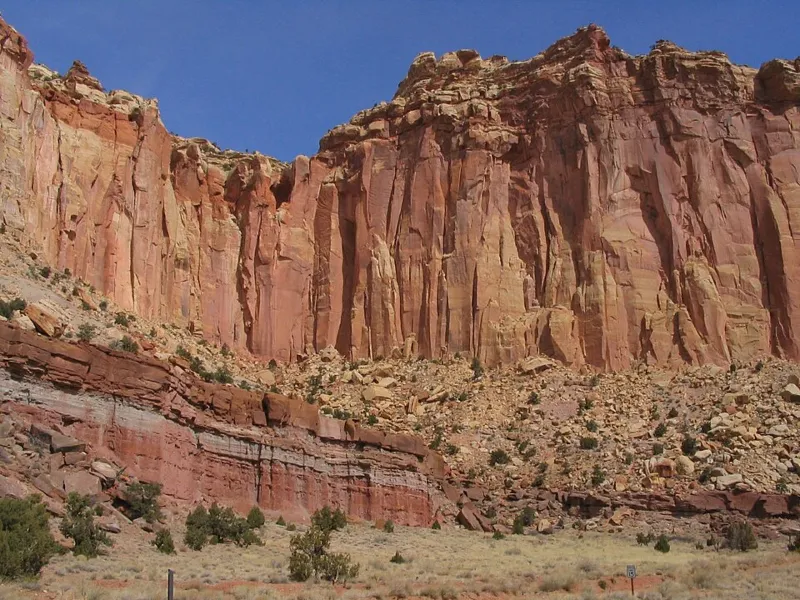
Photo: Ken Lund from Reno, Nevada, USA, CC BY-SA 2.0, via Wikimedia Commons
Utah is home to some of the most extraordinary high-elevation terrain in the continental United States. From the Uinta Mountains — the only major range in the lower 48 states that runs east to west — to the high plateaus of the Colorado Plateau and the ski corridors of the Wasatch Range, millions of Utahns and visitors spend time at elevations where the body faces physiological challenges that simply do not exist at sea level.
The problem is that most people, including many longtime residents, are not trained to recognize when elevation and cold have crossed from discomfort into medical emergency. The symptoms can be subtle at first. They are frequently mistaken for dehydration, fatigue, or a common cold. And in a state where a weekend ski trip, a summer hiking excursion, or a backcountry hunting season can place individuals hours from advanced medical care, that misidentification can be fatal.
This guide is built for Utah's specific environment. It covers the spectrum of altitude-related illness, the cold-weather injuries most likely to occur in Utah's backcountry, and the response protocols that should be part of every mountain-area emergency plan.
Understanding the Altitude Spectrum in Utah
Salt Lake City sits at approximately 4,300 feet above sea level. Park City exceeds 7,000 feet. The summit of Kings Peak in the Uintas reaches 13,528 feet — the highest point in Utah. Most visitors arriving from lower-elevation states begin experiencing physiological changes at 8,000 feet and above, though susceptible individuals can develop symptoms at lower elevations.
The body's response to reduced oxygen availability — a condition called hypoxia — is not a sign of poor physical fitness. Elite athletes develop altitude sickness. The primary risk factors are the rate of ascent and individual physiological variation, not conditioning level.
Acute Mountain Sickness
Acute mountain sickness (AMS) is the most common altitude-related illness and the one most likely to be dismissed as something else. Its hallmark symptom is a headache that develops within six to twelve hours of ascending to elevation. This headache is typically described as throbbing and located at the front or sides of the head. It is accompanied by one or more of the following: nausea, loss of appetite, fatigue, dizziness, and disrupted sleep.
For Utah residents and visitors, AMS most frequently presents during the first day or two at a ski resort, during early-season hiking trips on the Wasatch, or when flatlanders arrive for hunting season in the high Uintas. The condition is self-limiting in most cases — meaning it resolves with rest and acclimatization — but it must be monitored carefully because it can progress.
The appropriate response to suspected AMS is to stop ascending, rest, stay hydrated, and take ibuprofen or acetaminophen for headache relief. If symptoms worsen after 24 hours of rest at the same elevation, descent is required.
High Altitude Cerebral Edema
High altitude cerebral edema (HACE) is the severe end of the AMS spectrum and constitutes a life-threatening emergency. It occurs when fluid accumulates in the brain in response to hypoxic stress. HACE most commonly develops in individuals who have ignored or pushed through AMS symptoms and continued ascending.
The distinguishing signs of HACE include a severe, unrelenting headache that does not respond to standard pain relievers, profound confusion or disorientation, difficulty walking in a straight line (a sign called ataxia), and in advanced cases, loss of consciousness. A useful field test is the tandem gait test: ask the person to walk heel-to-toe in a straight line for ten steps. Inability to do so without stumbling is a strong indicator of neurological involvement.
HACE demands immediate descent of at least 1,000 to 2,000 feet, even in darkness or poor weather. If descent is impossible, a portable hyperbaric chamber — a Gamow bag — can serve as a bridge intervention. The medication dexamethasone may be administered by trained personnel to reduce cerebral swelling. Do not delay descent waiting for improvement. Call 911 or activate a personal locator beacon as soon as HACE is suspected.
High Altitude Pulmonary Edema
High altitude pulmonary edema (HAPE) involves fluid accumulation in the lungs rather than the brain and is the leading cause of death from altitude illness. It can occur with or without preceding AMS symptoms and often develops at night.
Early HAPE signs include a dry cough, reduced exercise tolerance, and unusual breathlessness during minimal exertion. As the condition progresses, the cough may produce pink or frothy sputum, breathing becomes labored at rest, cyanosis (bluish discoloration of the lips and fingertips) may appear, and the individual may be unable to lie flat without worsening breathlessness.
HAPE is a cardiac and respiratory emergency. Descent must begin immediately. Supplemental oxygen, if available, should be administered continuously. Nifedipine may be used by those trained in its administration. Call for emergency evacuation. In Utah's backcountry, this means activating a satellite communicator — a device every serious mountain traveler in this state should carry.
Cold Weather Injuries: When Temperature Becomes a Threat
Utah's mountain environments deliver cold that is compounded by wind, moisture, and the physiological effects of altitude, which impairs the body's thermoregulatory efficiency. Cold injuries occur faster and at higher ambient temperatures in high-elevation settings than most people expect.
Hypothermia
Hypothermia occurs when core body temperature drops below 95°F (35°C). In Utah's backcountry, it most commonly develops not during extreme cold snaps but during wet, windy conditions in the 30s and 40s Fahrenheit — conditions that are routine throughout spring and fall at elevation.
Mild hypothermia presents as intense, uncontrollable shivering, slurred speech, impaired coordination, and confusion. As core temperature continues to drop, shivering paradoxically stops — a dangerous sign that the body is losing its ability to generate heat. The individual may become drowsy, irrational, or unusually calm. In severe hypothermia, pulse and breathing become difficult to detect.
Field management involves moving the individual out of wind and wet conditions, removing damp clothing, insulating from the ground, applying external warmth to the neck, armpits, and groin, and providing warm fluids if the person is conscious and able to swallow safely. Do not rub the extremities, as this can drive cold blood toward the core. Evacuation to a medical facility is required for moderate to severe cases.
Frostbite
Frostbite is the freezing of tissue, most commonly affecting the fingers, toes, nose, and ears. At Utah's elevations, frostbite can develop within minutes when wind chill is factored in.
Superficial frostbite (sometimes called frostnip at its earliest stage) presents as white or grayish skin that feels numb and firm to the touch but remains somewhat pliable beneath the surface. Deep frostbite involves complete freezing of tissue; the affected area becomes hard, wooden, and may blister with clear or blood-tinged fluid as it begins to rewarm.
Do not rewarm frostbitten tissue in the field if there is any chance of refreezing — thaw-refreeze cycles cause far more tissue damage than delayed rewarming. If evacuation is imminent, protect the affected area with dry insulating material and keep it elevated. Rewarming should occur in a controlled setting using a 99–102°F water bath under medical supervision.
Preparedness Principles for Utah's High Country
The most effective response to any of these conditions begins before the emergency occurs. Several principles apply universally to anyone spending time in Utah's elevated terrain.
Acclimatize deliberately. When traveling to elevations above 8,000 feet, allow one to two days at an intermediate elevation before ascending further. Avoid vigorous exertion during the first 24 hours.
Carry the right communication tools. Cell coverage is unreliable across most of Utah's backcountry. A satellite messenger device with two-way communication capability — such as a SPOT or Garmin inReach — should be considered essential equipment, not optional.
Know the descent protocol. In any altitude or cold emergency, descent is the most powerful intervention available. Establish in advance what elevation gain your group has planned and identify descent routes before conditions deteriorate.
File a trip plan. Leave a detailed itinerary with a trusted contact, including your planned route, expected return time, and the instruction to call Utah Search and Rescue if you have not checked in by a specified time.
Utah's mountains are among the most rewarding environments in the country. They are also genuinely unforgiving of unpreparedness. Recognizing the medical emergencies that this terrain produces — and knowing how to respond before help arrives — is not overcaution. It is the baseline standard of safety for anyone who ventures into the high country.