Blood Sugar in the Backcountry: Managing Diabetic Emergencies When Help Is Hours Away in Utah
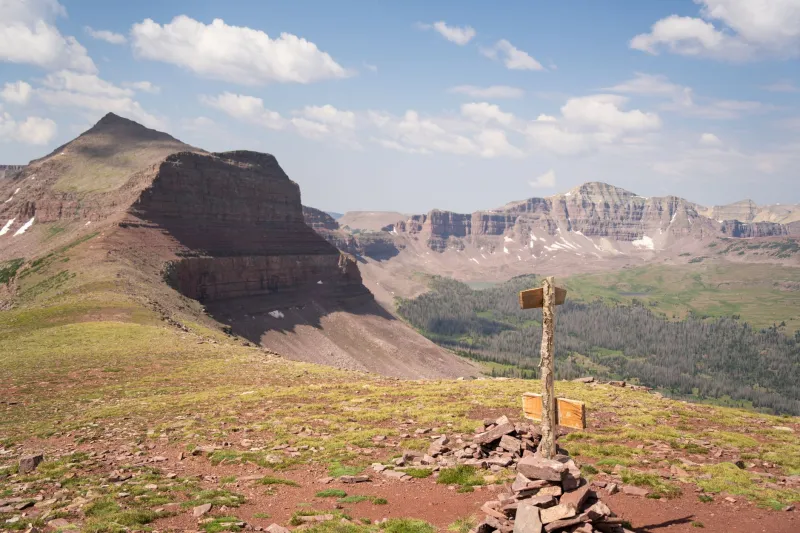
Utah's landscape is extraordinary by almost any measure — sweeping desert plateaus, high-elevation wilderness corridors, and rural communities separated from the nearest hospital by hours of two-lane highway. For the roughly 270,000 Utah adults diagnosed with diabetes, this geography introduces a layer of medical risk that deserves serious attention. When blood sugar levels swing dangerously out of range, the margin for error narrows fast. In a remote setting, that margin can vanish entirely.
Understanding how diabetic emergencies unfold — and how to interrupt them before they escalate — is not a skill reserved for medical professionals. It is essential knowledge for anyone who spends time in Utah's backcountry, lives in a rural county, or accompanies a person with diabetes on any activity where emergency services are not readily accessible.
The Two Faces of a Diabetic Emergency
Diabetic emergencies generally fall into one of two categories: hypoglycemia, in which blood glucose drops dangerously low, and hyperglycemia, in which it climbs to harmful levels. Each presents differently, and confusing one for the other can lead to interventions that worsen the situation.
Hypoglycemia develops quickly — sometimes within minutes — and is the more immediately dangerous of the two in a wilderness or remote setting. Common triggers include skipping a meal, overexerting during physical activity, or taking too much insulin. Symptoms to watch for include:
- Sudden shakiness, trembling, or weakness
- Pale, clammy skin and excessive sweating unrelated to heat or exertion
- Rapid heartbeat or palpitations
- Confusion, slurred speech, or unusual irritability
- Difficulty concentrating or responding to questions
- In severe cases, loss of consciousness or seizure activity
Because several of these symptoms — disorientation, unsteady movement, irritability — can resemble altitude sickness, heat exhaustion, or even intoxication, companions on the trail may not immediately recognize what they are witnessing. This misidentification is a genuine danger in Utah's high-country and desert environments.
Hyperglycemia tends to develop more gradually, over hours rather than minutes, but it can still reach a critical threshold in a remote area before evacuation is possible. Diabetic ketoacidosis (DKA), a severe complication of hyperglycemia, is a medical emergency requiring hospital intervention. Warning signs include:
- Excessive thirst and frequent urination
- Fruity or acetone-like odor on the breath
- Nausea, vomiting, and abdominal discomfort
- Deep, labored breathing
- Progressive fatigue and lethargy
- Confusion that worsens over time
Why Utah's Environment Complicates Blood Sugar Management
Several characteristics of Utah's terrain and climate directly affect how diabetes behaves in the body.
Altitude is a significant factor. At elevations above 8,000 feet — common in Utah's Uinta Mountains, the Wasatch Back, and the high plateaus of Garfield and Kane counties — physical exertion is amplified, the body's demand for glucose increases, and standard blood glucose meter readings can become less accurate. Some meters have been shown to underread at altitude, meaning a person may believe their levels are acceptable when they are actually entering a dangerous range.
Heat presents an opposite but equally serious challenge. Utah's desert regions, including the areas surrounding Moab, St. George, and the San Rafael Swell, routinely see summer temperatures exceeding 100 degrees Fahrenheit. Extreme heat accelerates insulin absorption, increases the risk of hypoglycemia during outdoor activity, and can degrade insulin stored in a pack exposed to direct sunlight.
Dehydration, a constant risk in Utah's arid landscape, compounds hyperglycemic episodes and can accelerate the progression toward DKA.
Immediate Response: What to Do When a Diabetic Emergency Occurs
If a companion shows signs of hypoglycemia and is still conscious and able to swallow safely, administer fast-acting carbohydrates immediately. Suitable options include:
- Glucose gel or tablets (ideally carried by the person with diabetes)
- Regular soda — not diet
- Fruit juice
- Hard candies such as glucose tablets or similar
The standard recommendation is 15 to 20 grams of fast-acting carbohydrates, followed by a 15-minute wait to reassess. If symptoms do not improve, repeat the dose. Do not give food or liquid to a person who is unconscious or seizing — airway protection takes priority, and emergency services should be contacted immediately.
If the person loses consciousness and glucagon is available, a trained companion should administer it according to the instructions provided with the kit. Glucagon auto-injectors and nasal powder formulations have made this intervention more accessible for non-medical personnel.
For suspected hyperglycemia or DKA, the primary field intervention is hydration with water and prompt evacuation. There is no safe field treatment for DKA beyond fluids and rapid transport to a medical facility.
Preparedness Strategies for Utah Residents with Diabetes
Preparation is the most effective tool available to people managing diabetes in remote Utah environments. The following measures should be considered standard practice:
Carry a dedicated medical kit. This should include a blood glucose meter with extra batteries, lancets and test strips rated for altitude performance, rapid-acting glucose sources, a glucagon emergency kit, extra insulin and syringes or pen needles, and an insulated case to protect temperature-sensitive medications from Utah's heat extremes.
Wear or carry medical identification. A medical ID bracelet or card clearly stating the individual's diabetic status and medication regimen is critical when the person is unable to communicate. First responders in rural Utah counties — many of whom are volunteers with varying levels of training — depend on this information to make correct treatment decisions.
File a detailed trip plan. Before entering any remote Utah area, leave a written plan with a trusted contact. Include your planned route, expected return time, the nature of your medical condition, and specific instructions for emergency contacts if you do not check in as scheduled. Utah's search and rescue teams, which operate across all 29 counties, can respond more effectively when they have this information in advance.
Adjust monitoring frequency. During high-exertion activities such as hiking, climbing, or mountain biking, blood glucose should be checked more frequently than under normal conditions — ideally every 60 to 90 minutes. This interval should shorten in extreme heat or at high elevation.
Inform your companions. Every person in your group should know your diagnosis, be able to identify emergency symptoms, and know where your supplies are located. A diabetic emergency is not the moment for companions to learn these details for the first time.
Communicating with First Responders in Utah's Rural Corridors
When emergency services are reached — whether by cell phone, satellite communicator, or a passing motorist — clear communication accelerates appropriate care. Provide dispatchers with the following information:
- The patient's known diabetic status (Type 1 or Type 2, if known)
- Current symptoms and their onset time
- Any interventions already attempted and the patient's response
- Current medications, particularly insulin type and last dose
- GPS coordinates or the most specific location description possible
Many of Utah's rural counties rely on air medical transport for serious emergencies. Knowing the nearest designated landing zone or open flat area near your location — and communicating that to dispatchers — can reduce response time significantly.
A Condition That Demands Respect in Utah's Landscape
Diabetes is a manageable condition under ordinary circumstances. Utah's extraordinary geography, however, does not always offer ordinary circumstances. The combination of altitude, heat, physical exertion, and distance from medical infrastructure creates a unique risk profile that demands proactive preparation and informed companions.
Recognizing the early warning signs of a blood sugar emergency, carrying the right supplies, and knowing how to communicate critical information to first responders are not optional precautions for Utahns with diabetes who venture into the state's remote regions. They are the baseline requirements for doing so safely.