Silent Killer in Plain Sight: How Utah Residents Can Recognize and Survive Sepsis
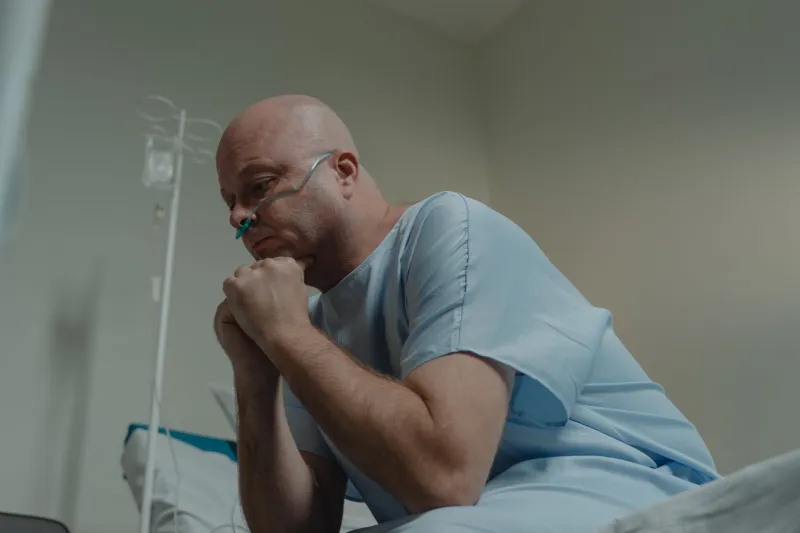
It often begins with what feels like a bad cold. A fever. Some chills. Maybe a little confusion that a family member dismisses as exhaustion. Within hours, however, that seemingly routine illness can spiral into organ failure and death. This is the nature of sepsis—a medical emergency that disguises itself as something manageable right up until it is not.
For Utah residents, the stakes are uniquely elevated. A significant portion of the state's population lives in rural and frontier communities where the nearest emergency department capable of treating critical illness may be 60, 90, or even 120 miles away. In those circumstances, the ability to recognize sepsis early—and act decisively—is not merely useful knowledge. It is potentially lifesaving.
What Is Sepsis, and Why Does It Progress So Quickly?
Sepsis occurs when the body's response to an infection becomes dysregulated, triggering a cascade of inflammation that begins attacking the body's own tissues and organs. It is not the infection itself that causes the most damage—it is the immune system's overreaction to that infection.
The condition can originate from virtually any type of infection: urinary tract infections, pneumonia, skin wounds, abdominal infections, and even dental procedures in vulnerable individuals. What makes sepsis particularly treacherous is the speed of its progression. A person who appears mildly ill at breakfast can be in septic shock by dinner if the condition is not identified and treated promptly.
Every hour that passes without appropriate antibiotic treatment and fluid resuscitation significantly worsens outcomes. Studies consistently show that mortality rates increase by roughly 7 percent for each hour sepsis goes untreated after it reaches the shock stage. In a state where ambulance response times in rural areas can exceed 30 minutes and hospital transport may require air evacuation, this timeline demands that residents themselves be the first line of recognition.
The Warning Signs You Cannot Afford to Miss
Medical professionals use a set of criteria to screen for sepsis, but families at home can watch for a simplified cluster of symptoms that should trigger immediate concern. The acronym TIME—Temperature, Infection, Mental decline, Extremely ill feeling—offers a practical framework.
Temperature abnormalities: A high fever above 101°F or, counterintuitively, an abnormally low temperature below 96.8°F. Both can indicate the body is struggling to regulate itself in the presence of infection.
Signs of infection: A known or suspected source of infection, such as a wound that is not healing, a urinary infection that has not improved, or a respiratory illness that is worsening rather than stabilizing.
Mental decline: Sudden confusion, disorientation, or unusual drowsiness in someone who was previously alert. Family members are often the first to notice this change, and their observations are medically valuable.
Extreme illness: A subjective but powerful signal. If someone with a known infection suddenly reports feeling far worse than they have ever felt before, that escalation in subjective distress warrants urgent evaluation.
Additional physical signs include an elevated heart rate above 90 beats per minute, rapid breathing above 20 breaths per minute, and skin that appears mottled, pale, or unusually clammy.
Utah's Elevation Factor
Utah's geography introduces a complicating variable that residents must understand. At elevations above 4,500 feet—which describes most of the Wasatch Front, nearly all of Utah's rural communities, and certainly the state's mountain towns—baseline physiological parameters shift. Heart rates tend to run slightly higher, oxygen saturation levels are naturally lower, and the respiratory system already works harder at rest.
This means that the warning signs of sepsis can be partially masked by normal high-altitude physiology, or conversely, can be misattributed to altitude-related discomfort. A resident of Moab, Vernal, or Escalante who is experiencing rapid breathing and an elevated heart rate may assume they are simply fatigued from the heat or altitude. If an underlying infection is present, that assumption could be fatal.
Residents and caregivers in Utah's elevated communities should establish a personal health baseline—knowing what their normal resting heart rate and respiratory rate look like at their specific altitude—so that deviations become more apparent.
Real Scenarios That Illustrate the Risk
Consider a 68-year-old woman in a rural San Juan County community who develops a urinary tract infection and decides to wait for a scheduled doctor's appointment rather than seek immediate care. Over 18 hours, her fever climbs, she becomes confused and difficult to rouse, and her skin takes on a grayish pallor. By the time her family calls 911, she requires air transport to a Salt Lake City hospital and spends two weeks in intensive care.
Or a 45-year-old construction worker in Beaver County who sustains a minor leg laceration on a job site. The wound appears to heal, but four days later he develops chills, a racing heart, and a sense of profound illness he cannot explain. He drives himself to a clinic 40 miles away, where staff identify early sepsis and begin treatment. Because he sought care promptly, he recovers fully within a week.
The difference between these outcomes is not luck. It is recognition and speed of response.
A Family Checklist for Suspected Sepsis
If someone in your household has a known infection—or even a recent illness or wound—and begins showing any of the following, treat it as a potential emergency:
- Fever above 101°F or temperature below 96.8°F
- Rapid heart rate (above 90 bpm) that is unusual for the individual
- Breathing that appears faster or more labored than normal
- New confusion, disorientation, or extreme drowsiness
- Skin that looks mottled, pale, or feels unusually clammy
- A report from the patient that they feel "the sickest they have ever felt"
- Decreased urination over the past several hours
- Dizziness or lightheadedness when standing
If two or more of these signs are present alongside a known or suspected infection, do not wait. Call 911 or transport the individual to the nearest emergency department immediately.
Communicating With Emergency Responders
When calling 911 or arriving at an emergency department, use direct language. Tell the dispatcher or triage nurse: "I am concerned this person may have sepsis." That phrase activates specific protocols in most Utah emergency facilities, prompting faster assessment and treatment initiation.
Provide the following information as clearly as possible:
- The suspected source of infection and how long it has been present
- When symptoms changed or escalated
- Current temperature, if known
- Any medications the patient is taking, particularly antibiotics or immunosuppressants
- The patient's age and any underlying health conditions such as diabetes, kidney disease, or cancer
Do not downplay symptoms out of concern about appearing alarmist. Emergency personnel are trained to assess severity. Your role is to communicate clearly and completely.
Who Is Most Vulnerable in Utah?
Certain populations carry a disproportionately higher risk of developing sepsis and experiencing poor outcomes. These include adults over age 65, infants and young children, individuals with diabetes, those undergoing chemotherapy, residents with chronic kidney or liver disease, and people who are immunocompromised for any reason.
Utah's significant agricultural workforce also faces elevated exposure to environmental pathogens, particularly those working with livestock or in soil-intensive conditions where wound contamination is more common. Rural residents in this population should be especially attentive to wound care and should not dismiss signs of infection as minor.
Prevention as the First Line of Defense
While rapid recognition is critical, prevention remains the most powerful tool available. Staying current on vaccinations—particularly for influenza and pneumococcal pneumonia, two common sepsis precursors—reduces risk substantially. Prompt and thorough treatment of infections before they escalate, careful wound care, and regular management of chronic conditions all lower the probability of sepsis developing in the first place.
For Utahns in communities where healthcare access is limited, establishing a relationship with a local clinic or telehealth provider before an emergency occurs creates a resource that can be consulted quickly when symptoms arise.
The Bottom Line
Sepsis does not announce itself with drama. It creeps in wearing the costume of a common illness and turns lethal before most people realize the danger. In a state as geographically vast and medically diverse as Utah, the responsibility for early recognition often falls on families and individuals rather than on hospital staff.
Know the signs. Trust the instinct that something is seriously wrong. Act immediately. In the context of sepsis, hesitation is a luxury that simply does not exist.