When the Desert Goes Dark: Surviving Utah's Haboob Season and the Eye Emergencies That Follow
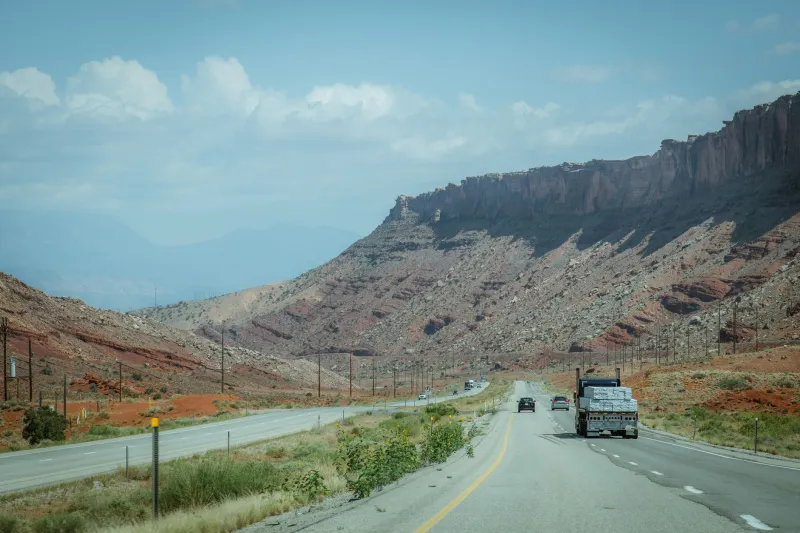
There is very little warning. One moment, the horizon over the San Rafael Swell or the Escalante desert is a familiar shade of rust and ochre. The next, a churning brown wall — sometimes thousands of feet high — is racing toward you at highway speeds. Utah's haboobs are among the most underestimated weather hazards in the Intermountain West, and the medical emergencies they trigger extend well beyond the storm itself.
For many residents, dust storms register as little more than a nuisance. That perception is dangerous. In the span of a single storm, visibility can collapse from a mile to less than ten feet. Eyes, lungs, and vehicle safety systems are all simultaneously compromised. Understanding what these storms actually do — and how to respond — can be the difference between a close call and a catastrophe.
What Makes Utah's Dust Storms Uniquely Dangerous
Utah's geographic profile creates ideal conditions for severe haboobs. The Colorado Plateau, the West Desert, and the valleys surrounding the Great Salt Lake all feature dry, loose soil that becomes airborne with alarming efficiency during high-wind events. Thunderstorm outflow boundaries — the leading edge of collapsing cold air from a dying storm cell — can push walls of dust at speeds exceeding 60 miles per hour.
What separates a Utah haboob from an ordinary windy day is the concentration and composition of the particulate matter. The dust carried in these storms is not uniform. It contains fine silica particles, biological material, and — in areas near agricultural operations — chemical residues. When this mixture contacts the surface of the eye at speed, the consequences can range from temporary irritation to genuine corneal damage requiring medical intervention.
The storms are also structurally deceptive. Drivers approaching from the opposite direction of a haboob may not see the wall until they are already inside it. At that point, forward visibility vanishes almost instantly.
The Immediate Threat: Roads That Become Traps
Multi-vehicle pileups during Utah dust storms are not hypothetical scenarios. Interstate 15 through the Sevier Valley, US-6 near Price, and stretches of I-70 across the plateau have all recorded serious collisions tied to sudden visibility loss. The mechanics of these accidents follow a predictable pattern: lead vehicles slow or stop, trailing vehicles fail to adjust in time, and chain-reaction collisions occur in the span of seconds.
If you are driving when a haboob overtakes your vehicle, follow these steps without hesitation:
- Do not stop in a travel lane. Pull completely off the roadway — past the shoulder if possible — and turn off all lights, including hazard flashers. Other drivers in zero-visibility conditions will instinctively steer toward any light source, and your hazard lights may guide a vehicle directly into yours.
- Engage your parking brake and keep your foot off the brake pedal to ensure your brake lights remain dark.
- Stay in the vehicle with seatbelts fastened. Exiting a vehicle on a highway during a dust storm dramatically increases your risk of being struck.
- Wait for the storm to fully pass before re-entering traffic. Visibility at the trailing edge of a haboob can be just as poor as at the leading edge.
Protecting Your Eyes Before the Damage Happens
The best defense against dust storm eye injuries is anticipation. During haboob season — which in Utah runs roughly from late spring through early fall — keeping protective eyewear accessible is a reasonable precaution for anyone spending time outdoors in desert or high-plateau regions.
Wrap-around sunglasses offer meaningful protection against larger particles but are not a complete barrier. Sealed safety goggles or dust goggles provide significantly better coverage and are worth carrying in a vehicle emergency kit, particularly for those who travel frequently through Washington County, Kane County, Emery County, or other high-exposure areas.
If caught outdoors without eye protection during a storm, turn your back to the wind, close your eyes tightly, and use any available cloth — a shirt, jacket, or bandana — to cover your face. Resist the powerful instinct to rub your eyes. Rubbing drives particles deeper into the conjunctival tissue and can transform a surface-level irritation into a serious abrasion.
Recognizing a Corneal Abrasion After a Dust Storm
Corneal abrasions — scratches on the transparent outer surface of the eye — are the most common medical injury associated with dust storm exposure. They can range from superficial to deep, and their severity does not always correspond to the level of pain experienced immediately after the event.
Signs that a corneal abrasion may have occurred include:
- Persistent, intense eye pain that does not subside after the storm passes
- Excessive tearing or a sensation that something is still lodged in the eye even after the storm
- Unusual sensitivity to light (photophobia), particularly when moving from dark shelter into daylight
- Blurred or hazy vision in the affected eye
- Visible redness concentrated around the iris or across the white of the eye
- Involuntary eyelid spasms (blepharospasm) that make it difficult to keep the eye open
These symptoms warrant prompt evaluation by a medical professional. Corneal abrasions that go untreated can become infected, and in severe cases, can cause lasting vision impairment.
First Aid Steps When the Storm Has Passed
If you or someone in your group is experiencing eye discomfort following dust storm exposure, the following steps are appropriate while arranging transport to an urgent care facility or emergency room:
- Flush the eye gently with clean water or sterile saline. Tilt the head so the affected eye is lower, and allow water to flow from the inner corner outward. Continue for at least five minutes.
- Avoid rubbing, pressing, or patting the eye under any circumstances.
- Do not attempt to remove particles with fingers, cotton swabs, or any implement. Embedded particles require professional removal under magnification.
- Cover the eye loosely with a clean cloth or sterile gauze if light sensitivity is severe, but do not apply pressure.
- Seek medical evaluation even if symptoms appear to improve. Some corneal injuries worsen over the hours following initial exposure.
Utah has urgent care centers in most populated corridors, but residents in rural areas — including those traveling through the canyon country of southern Utah — should be aware that the nearest emergency facility may be 45 minutes or more away. This reality makes early action and proper first aid all the more important.
Building Dust Storm Awareness Into Your Emergency Preparedness Plan
The National Weather Service issues Dust Storm Warnings and Blowing Dust Advisories for Utah counties when conditions are hazardous. Signing up for local wireless emergency alerts and monitoring the NWS Salt Lake City forecast office during dry, windy weather periods provides advance warning that can allow you to delay travel or seek shelter before a haboob arrives.
For families assembling emergency vehicle kits, adding a pair of sealed safety goggles, a small bottle of sterile saline eyewash, and a dust mask rated N95 or higher costs very little and addresses multiple haboob-related hazards simultaneously.
Utah's desert landscapes are among the most spectacular environments in North America. Respecting the meteorological forces that shape those landscapes — including the storms that arise from them — is simply part of living and traveling safely in the Beehive State.