Trapped in the Cold: How a Broken-Down Vehicle Becomes a Hypothermia Trap on Utah's Winter Roads
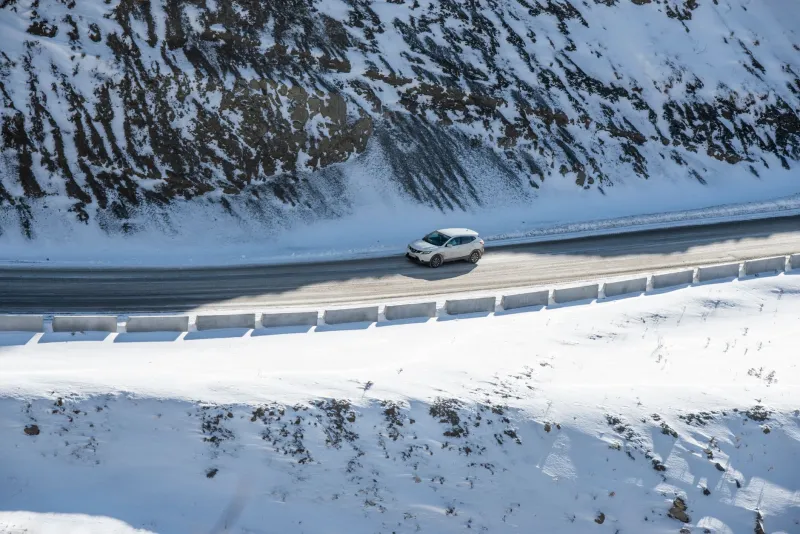
Most Utah drivers assume that a disabled vehicle in winter is an inconvenience, not a medical crisis. That assumption is dangerous. When temperatures plunge across the Wasatch Front, the Colorado Plateau, or the remote stretches of Highway 89 through Kane County, a stalled engine can strip away the thin margin between safety and a genuine life-threatening emergency. The vehicle that felt like protection moments ago becomes a metal shell rapidly surrendering heat to the surrounding environment—and the human body inside it begins to fail in ways that are subtle, deceptive, and, if unrecognized, fatal.
Utah's combination of high elevation, low humidity, and dramatic overnight temperature drops creates cold-exposure conditions that accelerate physiological deterioration faster than standard cold-weather guidance accounts for. At 6,000 feet above sea level—roughly the elevation of Cedar City—the effective wind chill can plummet a perceived temperature by 20 degrees or more. At 8,000 feet and above, where passes like Soldier Summit and Beaver Canyon sit, that margin widens further. Residents and visitors alike are frequently unprepared for how quickly a manageable situation becomes a medical one.
Why Your Car Is Not the Safe Haven You Think It Is
A vehicle provides wind protection and some insulation, but it is not a heated enclosure once the engine stops. Modern cars lose interior heat rapidly when ambient temperatures fall below 20°F—a threshold routinely reached across much of rural Utah between November and March. Within one to two hours of engine shutdown in those conditions, the cabin temperature can drop to within a few degrees of the outside air.
The psychological trap is equally dangerous. Drivers tend to feel secure inside a familiar space. That false sense of safety suppresses urgency and delays both emergency calls and self-protective behaviors. People sit still, conserve phone battery by avoiding calls, and wait—all while their core body temperature quietly descends.
Adding to the risk is Utah's cellular dead zone problem. Grand County, San Juan County, Garfield County, and large portions of Millard and Beaver counties have significant stretches of highway with little to no reliable cell service. A driver who waits for a signal that never arrives may exhaust critical time and body heat before help is summoned.
The Physiological Stages of Hypothermia at Altitude
Hypothermia is clinically defined as a core body temperature below 95°F (35°C). At altitude, the onset can be faster and the progression more unpredictable than at sea level, partly because the body is already working harder to oxygenate blood in thinner air.
Mild Hypothermia (90°F–95°F core temperature): The earliest warning signs are shivering, slurred speech, and difficulty with fine motor tasks—fumbling with a phone, struggling to button a coat. Crucially, the individual typically remains alert and may not perceive themselves as being in danger. This is the stage during which intervention is most effective and most commonly missed.
Moderate Hypothermia (82°F–90°F): Shivering paradoxically stops as the body loses the metabolic capacity to sustain it. Confusion deepens. Coordination deteriorates significantly. Drowsiness sets in, and the affected person may express a desire to sleep. At altitude, these symptoms can be misattributed to fatigue or even altitude-related headache, further delaying recognition.
Severe Hypothermia (below 82°F): Loss of consciousness, cardiac arrhythmia, and respiratory failure become real risks. At this stage, field rewarming without professional medical support can itself trigger fatal heart rhythms. Emergency medical services must be involved.
Frostbite follows its own progression. Frostnip—the earliest stage—presents as numbness and pallor in exposed skin, most commonly fingertips, earlobes, the nose, and toes. It is fully reversible with gentle rewarming. Superficial frostbite involves the outer layers of skin, which become hard and white or grayish-yellow. Deep frostbite penetrates to underlying tissue and bone, causing blistering and permanent damage. In a stalled vehicle, frostbite most often develops in the feet when passengers sit immobile for extended periods with inadequate footwear.
Utah's Most Dangerous Winter Breakdown Corridors
Certain stretches of Utah roadway carry disproportionate risk for cold-related vehicle emergencies based on elevation, traffic density, and emergency response times.
- US-89 through Kane and Garfield Counties: Long, isolated stretches with limited cell coverage and response times that can exceed 45 minutes even in favorable conditions.
- SR-12 (Scenic Byway 12): One of the most remote paved highways in the United States, with elevations exceeding 9,000 feet near Boulder Mountain. Winter travel here without a full emergency kit is genuinely hazardous.
- I-70 through Emery County: Heavily traveled by commercial trucks but subject to sudden closures and whiteout conditions. Stranded motorists here can wait hours for assistance.
- US-6 over Soldier Summit: A notorious winter chokepoint where accidents and mechanical failures are common. Elevation approaches 7,500 feet, and wind exposure is severe.
- SR-143 and SR-20 in Iron and Garfield Counties: Lower-traffic mountain routes that see significant snowfall but limited winter maintenance.
Stay Put or Self-Rescue? A Utah-Specific Decision Framework
The conventional advice—stay with your vehicle—is sound in most circumstances. A stationary car is easier for rescuers to locate than a moving person, and walking in whiteout conditions can be fatal. However, Utah's remote terrain introduces scenarios where that calculus changes.
Stay with your vehicle if:
- You have activated a distress signal and confirmed someone knows your location.
- You can run the engine periodically for heat (ensure the exhaust pipe is clear of snow to prevent carbon monoxide buildup).
- Visibility is poor or terrain is unfamiliar.
- You have passengers who are elderly, very young, or already showing signs of cold exposure.
Consider self-rescue only if:
- You can clearly see a structure, rest stop, or populated area within a reasonable distance—not estimated distance, confirmed visible distance.
- You have appropriate footwear and layered clothing.
- Weather conditions are stable and not deteriorating.
- You have been unable to reach emergency services and hours have passed without passing traffic.
If you do attempt to move, notify someone of your intended direction and destination via any available communication. Leave a note in the vehicle.
Building a Utah-Grade Winter Vehicle Emergency Kit
Preparation before the breakdown is the most reliable form of protection. A vehicle emergency kit for Utah winter conditions should include:
- Mylar emergency blankets (minimum two per passenger)
- Chemical hand warmers (at least six)
- High-calorie, non-perishable food such as energy bars or nuts
- Water in an insulated container to prevent freezing
- A wool or synthetic-fill sleeping bag rated to 0°F
- Waterproof boots and extra socks stored in the vehicle
- A battery-powered or hand-crank weather radio
- Reflective triangles or road flares
- A small shovel for clearing exhaust and creating traction
- A satellite communicator or personal locator beacon (PLB) for travel in dead zones
The Utah Division of Emergency Management recommends reviewing and restocking vehicle kits at the start of each winter season.
Recognizing Cold Injury in Others—and Yourself
One of the most insidious aspects of moderate hypothermia is that the affected person loses the capacity for reliable self-assessment. If you are traveling with others, watch for behavioral changes: unusual quietness, irritability, poor decision-making, or insistence that everything is fine when circumstances suggest otherwise. These are neurological symptoms, not personality quirks.
If you are alone, set a deliberate check-in schedule. Every 20 to 30 minutes, perform a simple self-assessment: Can you count backward from 20? Can you touch each fingertip to your thumb in sequence? Can you clearly recall your destination and the last town you passed? Declining performance on these tasks is a warning signal that demands immediate action—generating body heat through movement, adding insulation, or escalating emergency communications.
Cold does not announce itself loudly. In Utah's winter landscape, it arrives quietly, disguised as fatigue or a mild chill, and it moves faster than most people expect. Knowing what to look for—and having the tools to respond—may be the most important preparation any Utah driver can make before the roads turn white.