When the Heat Won't Break: A Utah Resident's Guide to Recognizing and Surviving Extreme Summer Heat Emergencies
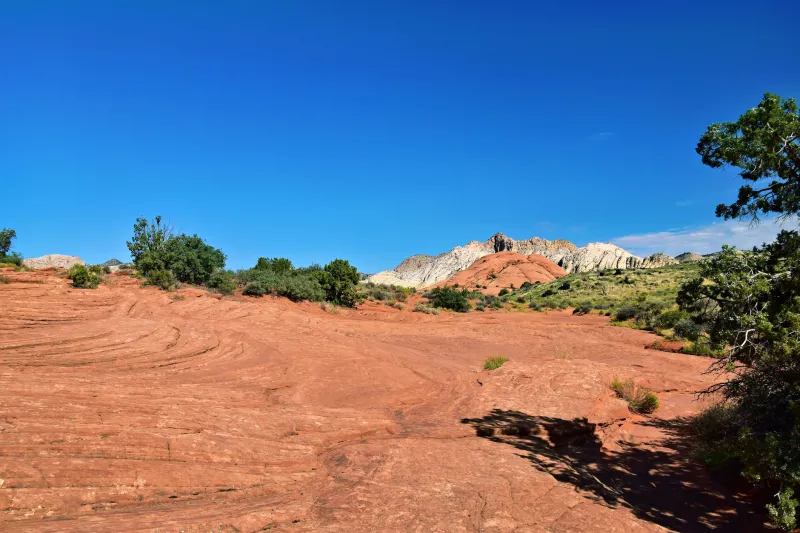
Every summer, Utah's skies turn white with heat. Thermometers in St. George, Moab, and the Salt Lake Valley regularly climb past 100 degrees Fahrenheit, and in some years, past 110. For many residents, extreme heat feels like a familiar seasonal inconvenience — something to complain about, not something to fear. That familiarity is part of what makes heat illness so dangerous here.
Heat-related emergencies kill more Americans each year than floods, tornadoes, and hurricanes combined. In Utah, the risk is compounded by the state's arid climate, significant elevation variation, and the cultural tendency to remain active outdoors even when temperatures become genuinely hazardous. Understanding how heat attacks the human body — and how to respond when it does — is not optional knowledge for Utah residents. It is essential.
How Utah's Climate Creates Unique Heat Risks
Most people understand that high temperatures are dangerous. Fewer understand that Utah's specific combination of climate factors makes heat illness harder to detect and faster to develop than in humid regions.
In humid environments, sweat struggles to evaporate, which makes people feel hotter and prompts them to seek relief earlier. Utah's dry desert air, by contrast, causes sweat to evaporate almost instantly. This creates a deceptive sensation of comfort — a person may feel relatively cool even as their core body temperature climbs toward dangerous levels. By the time discomfort sets in, dehydration and heat stress may already be well advanced.
Altitude adds another layer of complexity. Communities like Park City, Cedar City, and many rural areas of the Wasatch Back sit above 5,000 feet. At higher elevations, solar radiation is more intense, humidity is even lower, and the body works harder to perform basic functions. A person who tolerates 95-degree heat in Salt Lake City may experience serious heat illness at the same temperature in a mountain canyon, simply because the physiological demands are greater.
Finally, Utah's rapid temperature swings — cool mornings followed by brutal midday peaks — can catch residents off guard. A morning hike that begins in comfortable conditions can become a medical emergency by early afternoon.
Recognizing Heat Exhaustion: The Warning Stage
Heat exhaustion is the body's distress signal. It occurs when the cardiovascular system struggles to simultaneously cool the body and maintain blood pressure, typically after prolonged exposure to high heat combined with inadequate fluid intake.
Common signs of heat exhaustion include:
- Heavy, persistent sweating
- Pale or flushed skin
- Cool, moist skin despite the heat
- Rapid but weak pulse
- Nausea or vomiting
- Muscle cramps, particularly in the legs and abdomen
- Fatigue and weakness that feels disproportionate to activity level
- Dizziness or feeling faint
- Headache
A person experiencing heat exhaustion is typically still conscious and able to communicate, though they may feel confused or disoriented. This is the critical intervention window. If heat exhaustion is not addressed promptly, it can escalate to heat stroke within minutes.
Immediate response steps for heat exhaustion:
- Move the person to a cool environment immediately — air-conditioned space is ideal; shade is the minimum.
- Remove excess or tight clothing.
- Apply cool, wet cloths to the skin, particularly on the neck, armpits, and groin, where large blood vessels run close to the surface.
- Encourage the person to drink cool water slowly, if they are conscious and not vomiting.
- Fan the person to accelerate cooling through evaporation.
- Do not leave the person alone.
- Call 911 if symptoms do not improve within 15 minutes or if the person loses consciousness.
Recognizing Heat Stroke: A Life-Threatening Emergency
Heat stroke is a medical emergency requiring immediate 911 activation. It occurs when the body's core temperature rises above 104 degrees Fahrenheit and the internal cooling system fails. Without rapid intervention, heat stroke causes brain damage, organ failure, and death.
There are two forms of heat stroke relevant to Utah residents. Classic heat stroke typically develops over hours or days and most commonly affects elderly individuals, people with chronic illness, and those without access to air conditioning during prolonged heat events. Exertional heat stroke strikes faster and affects physically active individuals — construction workers, athletes, military personnel, and hikers — who generate intense internal heat during high-temperature conditions.
Warning signs of heat stroke:
- Core body temperature above 104°F (if a thermometer is available)
- Hot, red skin that may be dry or damp
- Rapid, strong pulse
- Confusion, slurred speech, or agitation
- Loss of consciousness
- Seizures
- Absence of sweating in some cases (particularly classic heat stroke)
The absence of sweating is a particularly dangerous sign. It indicates the body's cooling mechanism has shut down entirely.
Immediate response steps for heat stroke:
- Call 911 immediately — heat stroke is a life-threatening emergency.
- Move the person to the coolest available location without delay.
- Begin aggressive cooling: immerse the person in cold water if possible, or apply ice packs to the neck, armpits, and groin.
- Do not give fluids to an unconscious or semi-conscious person.
- If the person is conscious, do not give aspirin or ibuprofen — these medications do not lower body temperature and may worsen complications.
- Continue cooling efforts until emergency responders arrive.
Time is the critical variable. For every minute a person remains in heat stroke, the likelihood of permanent injury increases.
Populations at Elevated Risk in Utah
Certain groups face disproportionate danger during Utah's extreme heat events and deserve particular attention from families, employers, and community organizations.
Outdoor workers — including agricultural laborers in the Cache Valley and Sanpete County areas, construction crews across the Wasatch Front, and landscaping workers statewide — often have no choice but to work during peak heat hours. Employers are legally obligated under federal OSHA standards to provide water, shade, and rest periods during extreme heat. Workers should be encouraged to report symptoms without fear of reprisal.
Athletes and recreational users training or competing during summer months face exertional heat stroke risk, particularly during two-a-day practices or endurance events. Utah's youth sports culture means that children and teenagers are regularly exposed to dangerous conditions on athletic fields and tracks.
Elderly residents, especially those living alone or without reliable air conditioning, are highly vulnerable to classic heat stroke during sustained heat events. Neighbors, family members, and community organizations should conduct regular wellness checks during prolonged periods of extreme heat.
Tourists and new residents who have not acclimatized to Utah's desert climate often underestimate how quickly the environment can overwhelm an unprepared body. Full acclimatization to heat typically requires 10 to 14 days of gradual exposure.
Prevention Strategies for Utah's Hottest Months
Prevention remains the most effective form of heat emergency management.
- Hydrate aggressively and early. Do not wait until thirst develops. By the time thirst signals appear, dehydration is already present. Aim for at least one cup of water every 20 minutes during outdoor activity in high heat.
- Time outdoor activity carefully. Plan strenuous activity for early morning or evening hours. Between 10 a.m. and 4 p.m., temperatures and solar radiation in Utah are typically at their most dangerous.
- Wear appropriate clothing. Light-colored, loose-fitting, breathable fabrics reflect heat and allow air circulation.
- Never leave children or pets in parked vehicles. Interior vehicle temperatures can exceed 140 degrees Fahrenheit within minutes, even with windows cracked.
- Know your cooling resources. Utah communities operate cooling centers during extreme heat events. Contact your local county emergency management office or visit the Utah Division of Emergency Management's website for locations near you.
A Final Word
Utah's summers are extraordinary — and genuinely hazardous. The same landscape that draws millions of visitors each year to its red rock canyons and alpine trails can become a medical emergency zone when temperatures climb and preparation is absent. Heat illness does not discriminate, and it does not wait.
Knowing the difference between heat exhaustion and heat stroke, acting quickly when warning signs appear, and protecting the most vulnerable members of your community are the core obligations of emergency preparedness in this climate. When the heat won't break, your knowledge and response capability must.