The Disappearing Sound: Why Sudden Hearing Loss Demands Emergency Action in Utah
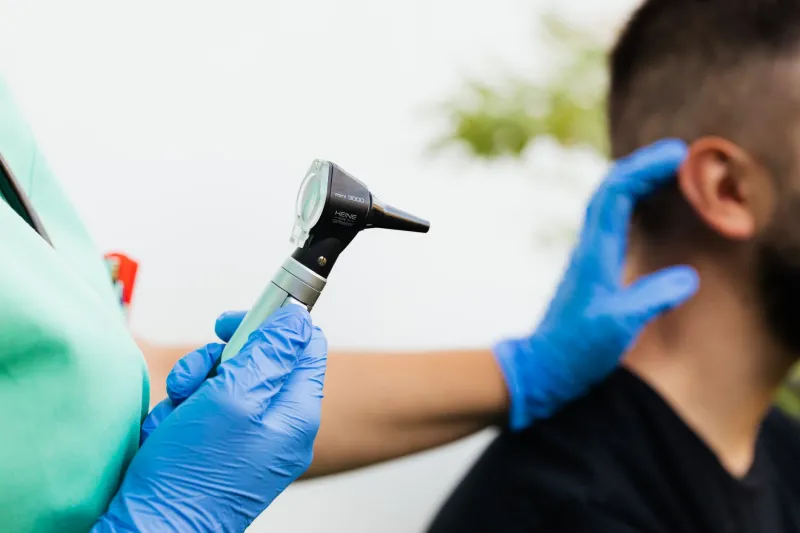
Imagine waking up one morning in your Salt Lake City home, reaching to silence your alarm, and realizing you cannot hear it ringing. Or picture driving along I-15 through Provo and noticing, mid-conversation, that your right ear has gone completely silent. For thousands of Americans each year — including residents across Utah's diverse communities — this is not a hypothetical scenario. It is the abrupt, disorienting onset of sudden sensorineural hearing loss (SSHL), a condition that most people do not recognize as a medical emergency until it is too late to act.
Utah's health landscape presents unique considerations when it comes to SSHL. From densely populated Wasatch Front communities to remote rural towns in San Juan and Garfield counties, access to emergency audiological care varies dramatically. Understanding this condition, recognizing its warning signs, and knowing exactly where to turn can preserve something irreplaceable: your hearing.
What Sudden Sensorineural Hearing Loss Actually Is
SSHL is defined as a rapid loss of 30 decibels or more of hearing — measured across at least three consecutive frequencies — occurring within a 72-hour period. Unlike conductive hearing loss caused by a blocked ear canal or fluid behind the eardrum, sensorineural loss originates deep within the inner ear or along the auditory nerve pathway. The cochlea, the spiral-shaped organ responsible for converting sound vibrations into nerve signals, is typically the site of injury.
Approximately 5,000 to 20,000 Americans are diagnosed with SSHL annually, though researchers believe the true number is considerably higher because many cases go unreported or are misattributed to less serious causes. The condition can affect one ear or, less commonly, both simultaneously. It may arrive with a loud pop, a sensation of fullness, dizziness, or tinnitus — a persistent ringing or buzzing that can persist long after the hearing loss itself is addressed.
The exact cause remains unknown in the majority of cases, a classification physicians call idiopathic SSHL. However, identified triggers include viral infections, vascular events that reduce blood flow to the inner ear, autoimmune responses, and acoustic trauma. Certain systemic conditions — including diabetes, cardiovascular disease, and Lyme disease — have also been associated with elevated risk.
Why Utah Residents Frequently Delay Treatment
One of the most clinically significant problems with SSHL is the widespread tendency to wait and see. Utah residents, like people across the country, commonly attribute sudden hearing changes to a blocked ear canal, sinus congestion, or a minor infection. In a state where outdoor recreation is deeply embedded in daily life — skiing the Wasatch, hiking the red rock canyons of Moab, or camping along the shores of Bear Lake — it is easy to assume that exposure to water, altitude changes, or wind simply caused temporary blockage.
This hesitation is costly. The treatment window for SSHL is narrow. Corticosteroids, the primary intervention used to reduce inner ear inflammation and restore function, are most effective when administered within 72 hours of symptom onset. Studies consistently show that patients treated promptly have significantly higher rates of full or partial recovery compared to those who delay. After two weeks, the probability of meaningful recovery drops sharply. After a month, the damage may be largely permanent.
Additionally, Utah's rural geography creates structural barriers to timely care. A resident in Monticello or Kanab may not have immediate access to an otolaryngologist or audiologist and may choose to wait until a routine appointment becomes available — an approach that, with SSHL, can have irreversible consequences.
Distinguishing SSHL from Common Ear Problems
Not every change in hearing constitutes an emergency, but certain characteristics should prompt immediate medical evaluation. Utah residents should seek same-day emergency care if they experience:
- Hearing loss in one or both ears that develops suddenly, particularly upon waking or within a matter of hours
- A sensation of fullness or pressure in the ear that does not resolve with swallowing or jaw movement
- Tinnitus that begins abruptly, especially when accompanied by any degree of hearing change
- Dizziness or balance disturbances alongside reduced hearing
- Hearing loss following a recent viral illness, upper respiratory infection, or significant physical or emotional stress
Conversely, gradual hearing decline over weeks or months, hearing loss associated with visible earwax buildup, or temporary muffling that clears after yawning or nose-blowing is less likely to represent SSHL. When in doubt, err toward urgency. The cost of an unnecessary emergency visit is far lower than the cost of permanent hearing impairment.
Immediate Steps to Take in Utah
If you or someone near you experiences sudden, unexplained hearing loss, the following steps apply regardless of where in Utah you are located.
Do not wait for a scheduled appointment. Contact your primary care physician immediately and describe the timeline and severity of symptoms. Use the words "sudden hearing loss" explicitly, as this phrase signals urgency to medical staff.
If your physician is unavailable, go directly to an emergency department. Hospitals across the Wasatch Front — including Intermountain Medical Center in Murray, University of Utah Health in Salt Lake City, and Utah Valley Hospital in Provo — have the capacity to initiate a referral to otolaryngology and begin steroid treatment. In rural areas, the nearest critical access hospital or urgent care facility is the appropriate first stop.
Document the onset precisely. Note the exact time you first noticed the hearing change, any associated symptoms, recent illnesses, loud noise exposure, or travel to high-altitude locations. This history is clinically valuable and will assist your care team in determining the most appropriate course of treatment.
Avoid self-treating with decongestants or antihistamines as a substitute for professional evaluation. These medications address conductive, not sensorineural, hearing loss and will not reverse inner ear damage.
Accessing Audiological Care Across Utah
For residents on the Wasatch Front, access to otolaryngology and audiology services is relatively robust. The University of Utah Department of Otolaryngology — Head and Neck Surgery offers specialized care and is equipped to manage SSHL cases. Intermountain Health also maintains ENT services at multiple locations across the Salt Lake Valley and Utah County.
For residents in southern or eastern Utah, telemedicine consultations with ENT specialists can initiate the diagnostic process and allow a primary care provider to begin steroid therapy while a specialist referral is arranged. The Utah Telehealth Network supports connectivity in many of the state's underserved regions, and residents should inquire about telehealth options when contacting their local clinic.
Intratympanic steroid injections — delivered directly into the middle ear — are an alternative or adjunct treatment for patients who do not respond to systemic corticosteroids or who cannot tolerate them. These procedures require a specialist and are typically available at larger medical centers in Salt Lake City and Provo.
A Condition That Does Not Announce Itself
Sudden sensorineural hearing loss does not come with obvious warning signs. It does not build gradually, and it rarely announces itself as an emergency in the way that chest pain or stroke symptoms do. That ambiguity is precisely what makes it dangerous. In a state where self-reliance and endurance are cultural values, the impulse to dismiss a strange physical change and continue with the day is understandable — but with SSHL, that impulse can cost a person their hearing permanently.
Every Utah resident should carry this knowledge: if hearing disappears suddenly, treat it as the emergency it is. Act within hours, not days. The auditory system, once significantly damaged, offers limited opportunities for repair. Prompt action remains the most powerful tool available.