Coiled and Ready: Utah's Snake Season Safety Guide for Hikers, Campers, and Homeowners
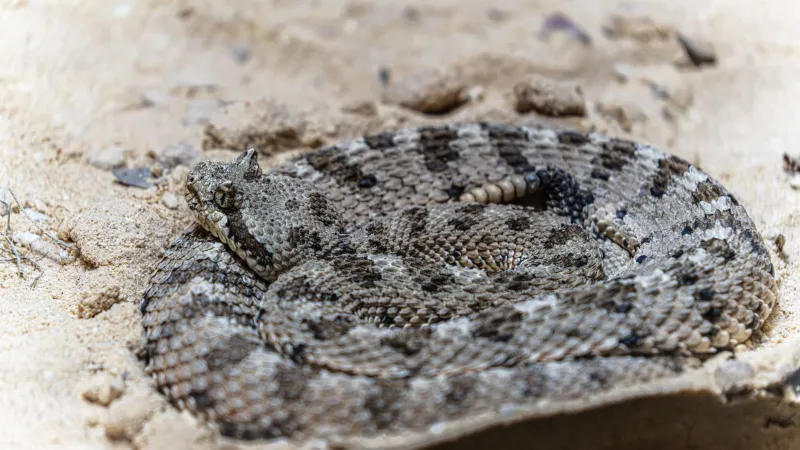
Each spring, as temperatures climb across Utah's red rock deserts, high mountain valleys, and riparian corridors, one of the state's most misunderstood residents re-emerges from winter dormancy. Snakes — venomous and non-venomous alike — become a genuine presence across virtually every Utah landscape from April through October. For residents who hike the Wasatch Front, camp in canyon country, or simply tend a backyard garden in St. George or Moab, understanding how to coexist safely with these animals is not optional. It is essential emergency preparedness.
Understanding Utah's Snake Population
Utah is home to approximately 31 native snake species. The vast majority are non-venomous and pose no meaningful threat to humans. However, seven rattlesnake species inhabit the state, and each one carries hemotoxic venom capable of causing serious tissue damage, systemic illness, and — without prompt treatment — death.
The Great Basin Rattlesnake (Crotalus oreganus lutosus) is the most widely distributed venomous snake in Utah, found across the western half of the state including the Salt Lake Valley, Utah Valley, and the Great Basin lowlands. The Midget Faded Rattlesnake (Crotalus concolor) is concentrated in the Uinta Basin and eastern canyon regions and is notable for producing venom with neurotoxic properties in addition to the typical hemotoxic components — a combination that can accelerate symptom severity. The Sidewinder (Crotalus cerastes) inhabits the extreme southwest corner of the state near Washington County's low desert zones. The Speckled Rattlesnake, Western Diamondback, and Twin-Spotted Rattlesnake occupy smaller ranges in southern and southeastern Utah.
Common non-venomous species that are frequently misidentified include the Gophersnake (Pituophis catenifer), which mimics rattlesnake behavior by coiling, hissing, and vibrating its tail. The Western Hognose Snake and various species of kingsnake and whipsnake are similarly harmless. Unless you are trained in reptile identification, treat any unidentified snake with respectful distance.
Where and When Encounters Are Most Likely
Snake activity in Utah follows predictable geographic and seasonal patterns. In the southern desert zones — including Washington, Kane, and San Juan counties — rattlesnakes emerge as early as March and remain active well into November. The region's warm nights also mean increased nocturnal movement, which catches many hikers and campers off guard after dark.
Along the Wasatch Front and in northern Utah, peak rattlesnake activity typically runs from May through September. Snakes in these areas tend to be most active during morning and late afternoon hours, retreating to shade during the midday heat of summer.
At higher elevations — including the Uinta Mountains and the plateaus above 7,000 feet — the season is compressed. Rattlesnakes may not emerge until June and begin seeking winter dens again by late September.
Rocky outcroppings, talus slopes, brush piles, wood stacks, and the edges of water sources are prime habitat. Homeowners in areas bordering open space should inspect these environments regularly and ensure that firewood, debris piles, and dense ground cover near the home are managed appropriately.
What to Do — and Not Do — if Bitten
A rattlesnake bite is a medical emergency. Every minute matters. The following steps are based on current clinical guidance and represent the standard of care recommended by poison control and emergency medicine professionals.
Step 1: Move away from the snake. Do not attempt to capture or kill it. Emergency physicians do not need the snake present to treat envenomation, and pursuing it risks a second bite.
Step 2: Stay calm and keep the bite site below heart level. Elevated heart rate accelerates venom distribution through the bloodstream. Encourage the victim to remain as still as possible.
Step 3: Remove constrictive items. Rings, watches, and tight clothing near the bite site should be removed immediately, as localized swelling can develop rapidly.
Step 4: Call 911 or proceed immediately to the nearest emergency department. Do not wait for symptoms to develop. Envenomation can cause delayed systemic effects, and antivenom — specifically CroFab (Crotalidae Polyvalent Immune Fab) — is most effective when administered early. Major Utah hospitals stocking antivenom include Intermountain Medical Center, University of Utah Health, St. George Regional Hospital, and Moab Regional Hospital, though availability should be confirmed with 911 dispatch.
Step 5: Note the time of the bite and monitor symptoms. Document when the bite occurred and observe for progressive swelling, bruising, nausea, dizziness, difficulty breathing, or altered mental status. Report all observations to emergency personnel.
Practices to Avoid
Several widely circulated first aid myths can worsen outcomes and must be explicitly addressed:
- Do not apply a tourniquet. Restricting blood flow concentrates venom in tissue and accelerates necrosis.
- Do not cut and suck the wound. This technique has no clinical efficacy and introduces infection risk.
- Do not apply ice or immerse the bite in cold water. Cold causes vasoconstriction and compounds tissue damage.
- Do not administer alcohol or any other substance. Alcohol dilates blood vessels and can accelerate venom absorption.
- Do not use a snakebite kit or suction device. These products are not recommended by emergency medicine authorities.
Accessing Emergency Care Across Utah's Geographic Zones
Utah's geographic sprawl presents a real challenge in snake bite emergencies. Residents of rural areas in Emery, Garfield, or Beaver counties may face drive times exceeding an hour to the nearest facility with antivenom on hand. For this reason, calling the Utah Poison Control Center at 1-800-222-1222 immediately following a bite is strongly advised. Specialists there can assess severity, advise on transport decisions, and coordinate with receiving hospitals to ensure antivenom is ready upon arrival.
For those in backcountry settings, activating a personal locator beacon (PLB) or satellite communicator — such as a Garmin inReach device — may be the fastest way to initiate a rescue response. Utah's search and rescue teams are experienced in medical evacuations, but time is a critical variable.
Reducing Risk Before an Encounter Occurs
Prevention remains the most effective safety strategy. When hiking in snake country, stay on established trails and watch where you place your hands and feet. Never reach into rock crevices or under logs without first checking visually. Wear closed-toe shoes or boots — sandals provide no meaningful protection. Use a trekking pole to probe ahead in brushy terrain.
At home, reduce snake-attracting habitat by eliminating rodent populations, sealing foundation gaps, and keeping grass trimmed short. Educating children about snake safety — specifically the instruction to observe from a distance and alert an adult — is equally important.
Respect, Not Fear
Rattlesnakes are not aggressive animals. The overwhelming majority of bites occur when a snake is handled, stepped on, or cornered. Utah's snake population plays a vital ecological role in controlling rodent populations and maintaining the balance of the state's diverse ecosystems. The goal of snake safety education is not to encourage fear, but to foster the awareness that allows residents to share these landscapes responsibly.
If you encounter a rattlesnake, give it a wide berth and allow it to move on. If one is found in a location that poses an immediate risk — inside a home or in a yard with children — contact your local Utah Division of Wildlife Resources office or a licensed wildlife removal professional.
Knowing what to do before a bite happens is the most powerful tool any Utah resident can carry into the outdoors.