Chest Compressions at 10,000 Feet: What Every Utah Outdoor Enthusiast Must Know About Wilderness CPR
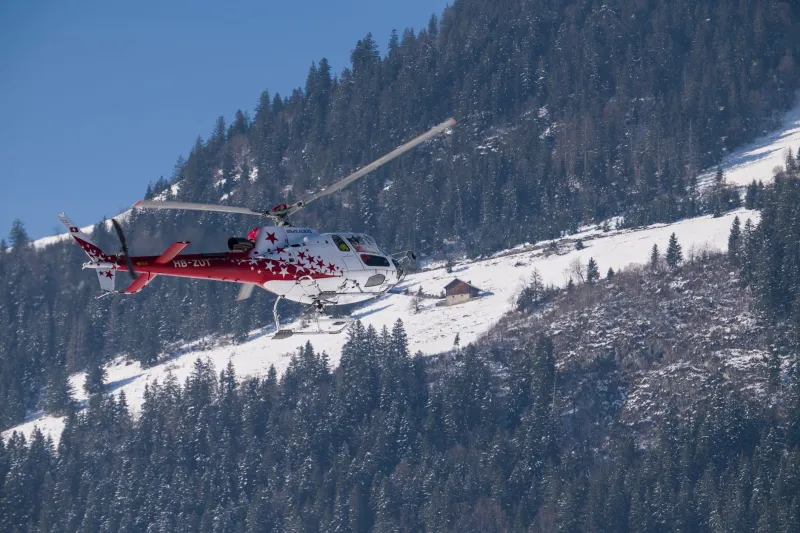
Utah's mountains are among the most breathtaking landscapes in North America. They are also among the most medically unforgiving. Whether you are skiing a backcountry bowl above Park City, hiking a remote trail in the Uinta Mountains, or snowshoeing through the Wasatch, the brutal reality is this: if someone near you suffers cardiac arrest, emergency medical services may be 45 minutes away—or entirely unreachable. In those moments, your hands and your knowledge are the only tools available.
Standard CPR training prepares people for emergencies in controlled environments—living rooms, parking lots, office buildings. It does not prepare them for performing chest compressions while kneeling in knee-deep snow, while their own lungs burn from exertion at altitude, or while avalanche debris shifts beneath their feet. Utah's unique geography demands a more complete understanding of what wilderness CPR actually requires.
Why Altitude Changes Everything About Cardiac Resuscitation
At elevations commonly encountered across Utah's high country—8,000 to 13,500 feet—the partial pressure of oxygen drops significantly. This affects both the victim and the rescuer in ways that fundamentally alter resuscitation dynamics.
For the person in cardiac arrest, reduced ambient oxygen means that even effective chest compressions deliver less oxygenated blood to the brain and vital organs than the same compressions would at sea level. This is not a reason to stop—it is a reason to be more precise. Compression depth and rate become even more critical. The American Heart Association recommends compressions of at least two inches deep at a rate of 100 to 120 per minute. At altitude, every millimeter of depth and every compression in that rhythm window matters more, not less.
For the rescuer, altitude fatigue sets in faster. A person who has been skiing or hiking for several hours before encountering an emergency is already physiologically taxed. High-quality CPR is physically demanding under any circumstances; at elevation, rescuer exhaustion can degrade compression quality within two minutes. If even one other person is present, switching compressors every two minutes is not merely recommended—it is essential to maintaining effective perfusion pressure in the victim.
The Cold Factor: Hypothermia, Cardiac Arrest, and the Decision to Continue
One of the most important and counterintuitive principles in wilderness medicine applies directly to Utah's winter terrain: a person is not dead until they are warm and dead.
Hypothermia can cause a profound slowing of metabolic processes, including a cardiac rhythm that appears—and feels—indistinguishable from death. A victim found pulseless in a cold environment may have a core temperature low enough to suppress all detectable cardiac activity while still retaining the biological potential for full recovery. This is why trained wilderness responders are taught never to abandon resuscitation efforts for a hypothermic patient until that patient has been rewarmed and assessed.
In practical terms, this means that if you encounter an unresponsive, pulseless person in Utah's winter backcountry, you should begin CPR and continue it while simultaneously working to insulate the victim from further heat loss. Remove wet clothing if possible, place insulating layers beneath and over the body, and shield the victim from wind and ground contact. These actions do not replace compressions—they support the broader goal of keeping the victim viable until advanced care can be delivered.
One important caveat: if the victim's chest wall is frozen solid and cannot be compressed, or if the body shows obvious signs of non-survivable trauma, CPR is not indicated. These determinations require careful assessment and, ideally, consultation with medical direction if any communication is available.
Avalanche Terrain: Special Considerations Before You Begin
Avalanche zones present a layered set of challenges that must be addressed before resuscitation can safely begin. Initiating CPR in an unstable avalanche path places both the rescuer and the victim at compounded risk. Scene safety—a principle drilled into every emergency responder—applies with particular urgency in avalanche terrain.
If a victim has been recovered from burial, assess for airway obstruction first. Snow compaction around the face and airway is common in avalanche victims, and no amount of chest compressions will restore circulation if the airway is blocked. Clear the mouth and nose carefully before initiating rescue breaths or compressions.
Additionally, trauma sustained during an avalanche—including rib fractures, spinal injuries, and internal bleeding—may complicate CPR. However, absent certainty that injuries are non-survivable, cardiac arrest remains the priority. Compressions should be initiated and maintained.
Communication and the Decision Tree: When to Call, When to Compress
In areas where cell service exists—even intermittently—activating emergency services should occur simultaneously with beginning CPR, not before or after. In Utah's backcountry, satellite communication devices such as personal locator beacons (PLBs) and two-way satellite messengers have become essential safety tools. If your group carries one, the moment a cardiac arrest is identified, one person should activate it while another begins compressions.
Utah's search and rescue infrastructure is robust, but response times to remote locations are inherently extended. The Wasatch Backcountry Rescue, Utah County Search and Rescue, and similar organizations are highly trained—but they cannot defy geography. Your role is not to replace them; it is to sustain life until they arrive.
If no communication device is available, a critical decision must be made: should one rescuer leave to seek help while another continues CPR, or should all available personnel focus on resuscitation? There is no universal answer, but the general principle is that CPR should not be abandoned if doing so leaves the victim without compressions. A victim receiving no CPR while awaiting rescue has dramatically reduced survival odds. A victim receiving continuous, high-quality CPR—even imperfect wilderness CPR—retains meaningful potential for survival.
Equipping Yourself Before You Go
Preparation is the most effective form of emergency response. Utah residents who spend time in the backcountry should consider the following steps before their next outing:
- Obtain formal CPR and first aid certification. Organizations such as the American Red Cross and the Wilderness Medical Associates offer courses specifically designed for remote and wilderness environments. Wilderness First Responder (WFR) certification is particularly valuable for those who regularly access Utah's more isolated terrain.
- Carry a pocket CPR mask. Barrier devices facilitate rescue breathing and are compact enough to fit in any pack.
- Invest in a satellite communication device. In areas without reliable cell coverage—which describes much of Utah's backcountry—a PLB or satellite messenger is not optional equipment; it is a lifeline.
- Travel with trained companions. The ability to rotate compressors and share decision-making under stress dramatically improves outcomes.
- Know your location. Utah's Search and Rescue teams respond faster when they know exactly where to go. Familiarize yourself with the use of GPS coordinates and be prepared to relay them.
A Final Word on Readiness
Utah's wilderness is not a forgiving environment for the unprepared. The same rugged terrain that draws millions of visitors each year is the terrain that makes emergency response uniquely difficult. The gap between when a cardiac arrest occurs and when advanced medical care arrives is a gap that only bystander action can bridge.
Knowing how to perform CPR is not enough. Knowing how to perform it effectively at altitude, in freezing conditions, in avalanche terrain, and without the expectation of rapid rescue—that is the standard that Utah's backcountry demands. It is a standard worth meeting.